
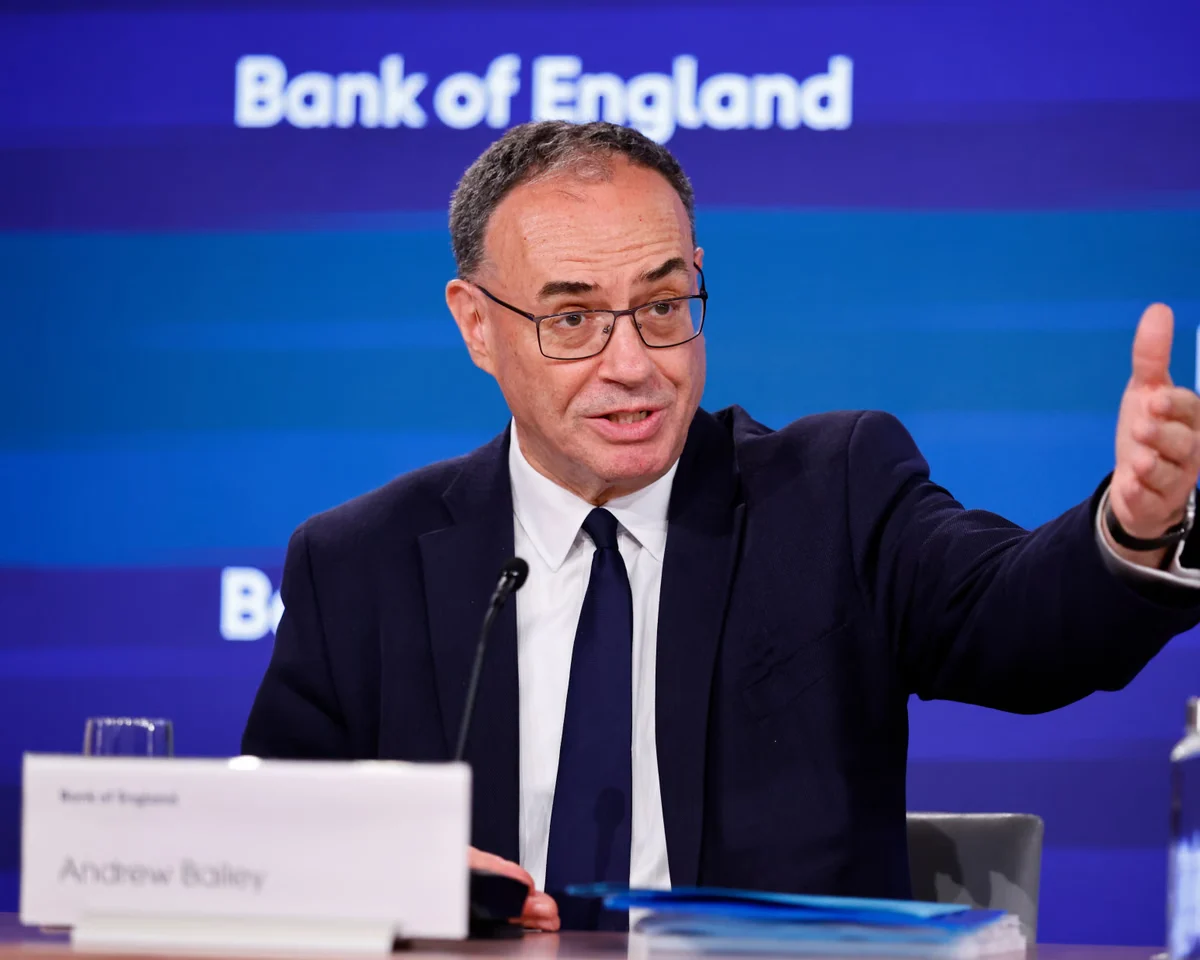
Bank of England Governor Andrew Bailey has warned that the rise of populist politics represents a significant challenge to the independence of central banks. Speaking at the London School of Economics, Bailey cautioned that central bankers must proactively explain their policy decisions to the public, or risk being portrayed as an “unrepresentative elite” that stands in the way of popular sovereignty.
His comments arrived as Nigel Farage’s Reform UK party gathered in Birmingham for its annual conference. Bailey noted that populist movements often build their appeal on the claim that they alone represent the authentic will of the people, framing any institution that acts as a check on their power as an obstacle to the public interest.
Drawing on historical figures from Alexander Hamilton to Thomas Hobbes, the governor emphasized that central banks cannot take their “legitimacy for granted.” He argued that while institutions holding significant authority should expect public scrutiny as a sign of democratic health, they must also recognize the risks posed by political movements that challenge the pluralistic systems of government currently in place.
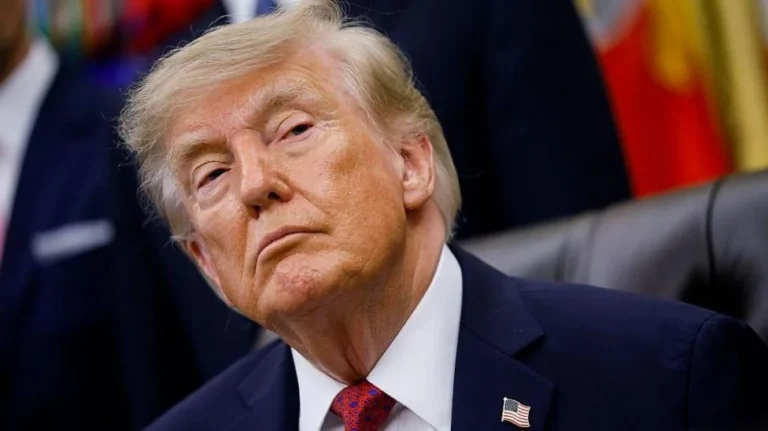
The Bank of England has faced political pressure before, with Farage previously suggesting he would seek to replace Bailey if Reform UK gained power. Similar tensions have surfaced internationally, notably in the United States, where Donald Trump frequently criticized former Federal Reserve chair Jerome Powell. Bailey has previously joined other global central bankers in signing statements to defend Powell and uphold the principle of institutional independence.
Since the Labour government granted the Bank of England independence in 1997, the institution has shifted interest rate decisions from the chancellor to a nine-member monetary policy committee (MPC) chaired by the governor. Following the 2008 global financial crisis, the Bank’s mandate was expanded to include responsibility for financial stability, a role Bailey credits with maintaining the conditions necessary for sustained prosperity.
Current economic policy remains a point of contention. The MPC held interest rates at 3.75% during its July meeting, though the decision was not unanimous. Three members, including chief economist Huw Pill, voted for an increase, with Pill recently arguing that the Bank must act “clearly, promptly and decisively” to combat rising inflation linked to the war in Iran.
Bailey remains cautious, noting that he has yet to see evidence of “second-round effects” in the labor market, where workers bid up wages to match inflation. The Bank is now preparing for its 17 September policy meeting, where it is expected to address the future of its quantitative tightening program.
This policy involves selling off government bonds acquired during previous rounds of quantitative easing. Critics, ranging from Reform UK to left-leaning thinktanks, argue that these sales drive up government borrowing costs, a sensitive issue given the current state of the bond markets. Bailey is scheduled to appear before the cross-party Treasury select committee next week to provide further explanation of his policy stance. The report also notes that not in the preferences of any single group within it.”, we have developed systems of government (in the broadest sense of this term) in which legitimacy rests in the plurality of society. The report also notes that especially of the right, have been riding high on both sides of the Atlantic in recent years, populist parties. The report also notes that bailey was among the international central bankers who signed a joint statement defending Powell against Trump’s criticism and stressing the importance of independence. The report also notes that which led to a significant proportion of the UK banking sector being nationalised at taxpayer expense, the Bank of England was given additional responsibilities for financial stability, after the 2008 global financial crisis. The report also notes that but we should also recognise what is at stake.”. The report also notes that a pressing issue at a time of febrile bond markets, that makes it more expensive for the government to borrow.








Comments