
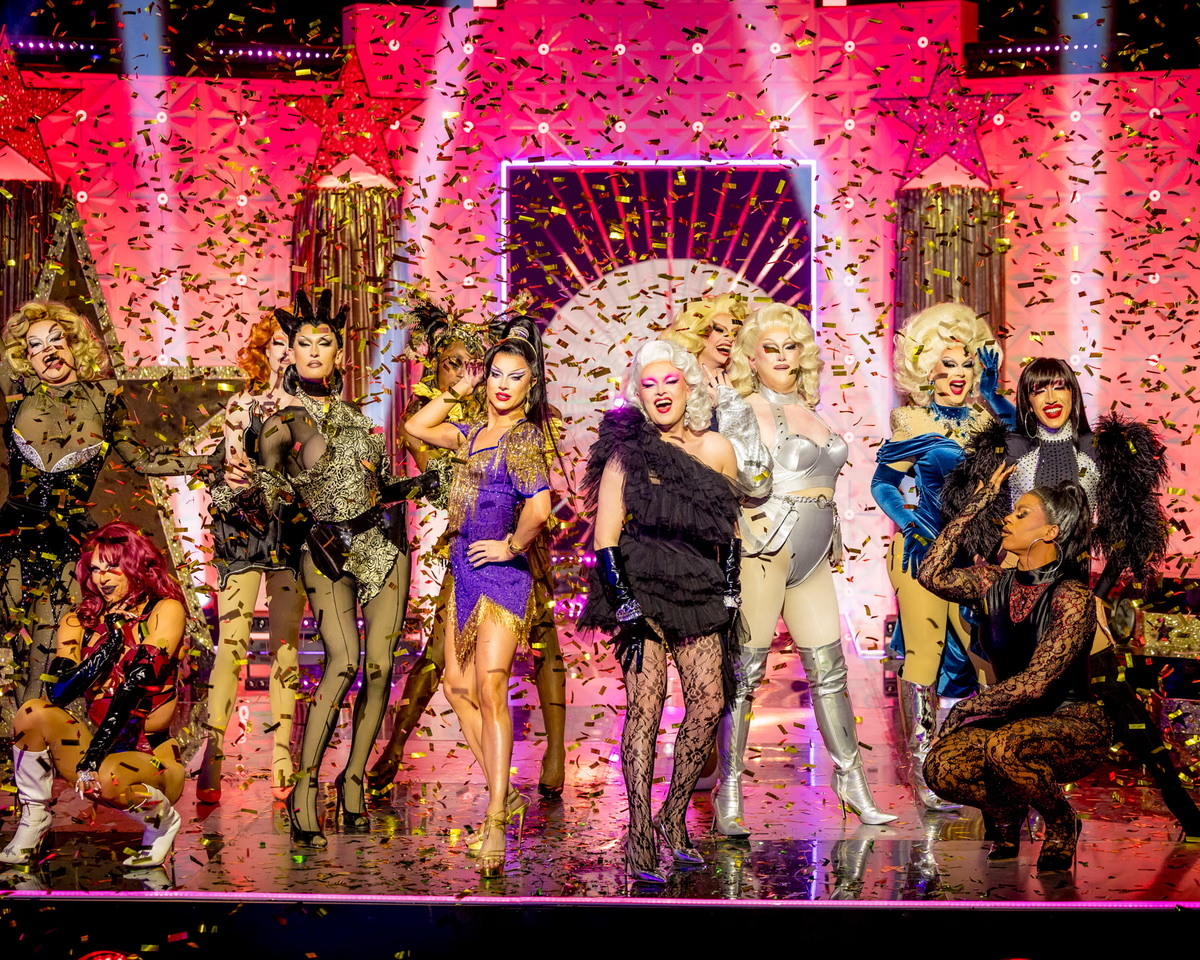
The BBC has decided to cancel RuPaul’s Drag Race UK, a move that has left many viewers questioning the broadcaster’s commitment to diverse programming. Despite a decline from its peak of 1.5 million viewers, the show maintains a consistent audience of 1 million weekly, suggesting it is far from a failing production. The cancellation follows the broadcaster’s earlier decision to axe other queer-focused series, including I Kissed a Boy and I Kissed a Girl.
Since its 2009 debut in the United States, the franchise has served as a global launchpad for performers who might otherwise remain limited to local gay bar circuits. Notable success stories include Jinkx Monsoon, who is currently starring in London’s West End, and La Voix, who appeared on Strictly Come Dancing. Bimini Bon-Boulash, a standout from the second season who famously “stepped their pussy up,” has since transitioned into a career involving modeling, writing, and music production.
Beyond individual success, the series has provided a mainstream platform for ballroom culture, a tradition originating in New York City among marginalized Black and brown LGBTQ+ youth. The show helped popularize an entire lexicon—including phrases like “it’s giving,” “she’s serving,” “throwing shade,” “spilling the tea,” and “snatched”—that traces its roots to the community documented in Paris is Burning. These terms have become cultural staples more than 30 years after the film’s release.
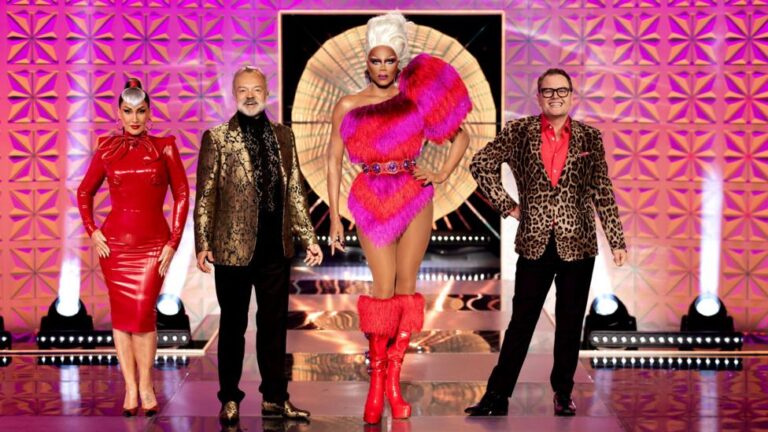
The UK iteration of the show successfully blended this underground history with British drag traditions. Memorable contestants include the high-fashion, acid-tongued A’Whora, the historically minded Cheddar Gorgeous, and Nyongbella, who competed in season seven while navigating the risks of being openly gay in Cameroon. The show has also featured high-profile guest judges such as Andrew Garfield, Mel B, and Michaela Coel, alongside regulars Michelle Visage, Graham Norton, and Alan Carr.
For many, the program offers more than just entertainment; it provides visibility for non-binary individuals and those living with HIV. While some segments, such as the emotional reflections on childhood, have been criticized by cynical viewers, they highlight the ongoing struggle for self-acceptance within the queer community. This representation feels particularly urgent given the current global climate regarding LGBTQ+ rights.
While the show has faced internal debate within the queer community—including critiques from figures like playwright Travis Alabanza—it has evolved to include a diverse array of performers, including trans and female artists. By removing a show that celebrates such a wide spectrum of identity, the BBC is being accused of a shortsighted decision that ignores the needs of a loyal, multi-generational audience that values unapologetic, queer-centered television. The report also notes that for a start, Drag Race UK regularly pulls in 1 million viewers a week, which hardly seems like a show in its death throes (even if this is down from a previous high of 1.5 million). The report also notes that it has brought tons of performers to national, or even global, attention who would otherwise still be plying their trade in provincial gay bars, since the US version started in 2009. The report also notes that in my household, will bring the number of regularly watched programmes on the Beeb down from one to zero, t he BBC is canning RuPaul’s Drag Race UK – a decision that. The report also notes that since they perished in the Aids crisis, we’ll never know what the queens who invented this lingo would think of its incredible resilience. The report also notes that high fashion queen A’Whora from season two, whose comedy routine was so filthy it managed to make judge Alan Carr wince, who could forget characters like the acid-tongued.

Comments