
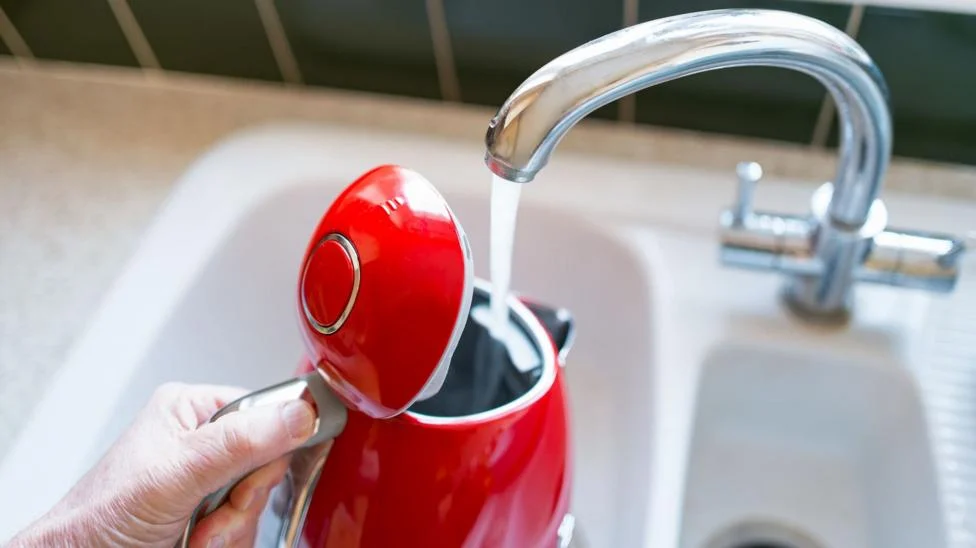
Household complaints directed at water companies to the industry watchdog have reached a record high, climbing 84% over the past year. According to the Consumer Council for Water (CCW), this surge is the most significant in its 20-year history, underscoring deep public dissatisfaction regarding the current state of the water sector.
Data for the 2025-26 period shows total complaints referred to the watchdog rose to 15,115, a sharp increase from the 8,235 recorded the previous year. Furthermore, grievances filed by households directly to water providers—a mandatory preliminary step before escalating to the CCW—jumped by 56% to reach 321,347. The most frequent points of contention for consumers included measured billing, general affordability, and administrative issues related to invoicing.
Mike Keil, chief executive of the CCW, stated that these figures highlight a clear frustration among the public. He emphasized that customers are becoming impatient to see tangible benefits from higher expenditures and noted that firms must be more transparent about how they are investing public money to deliver improvements. The watchdog assesses providers based on the volume of complaints per 10,000 households and the level of effort required for customers to resolve their issues.
Financial pressure on households remains a central concern, as regulator Ofwat has authorized water firms to increase bills by 36% throughout the 2025-2030 period. Recently, the regulator approved additional increases for 13 companies, including Thames, Severn Trent Water, Southern Water, Wessex Water, and South East Water, all of which had already received approval for hikes in 2024.
Performance across the industry remains inconsistent. Portsmouth Water and Bristol Water were identified as the sector’s best performers, maintaining a “good” rating in both of the CCW’s metrics. Conversely, Thames Water and South West Water were both rated as “poor” in these categories.
Addressing the criticism, a representative for Thames Water apologized for failing to meet expectations, specifically citing bill clarity as a source of frustration. The firm has since launched a program to redesign customer bills for better readability. Meanwhile, South West Water acknowledged the need for service improvements and stated it is prioritizing the reduction of repeat contacts and the resolution of issues during the initial point of interaction.
Industry body Water UK defended the bill increases, maintaining that the funds are essential for critical infrastructure upgrades, including securing water supplies, supporting economic growth, and preventing sewage discharge into natural waterways. A spokesperson noted that 94% of initial complaints are resolved at the earliest possible stage without needing the watchdog’s intervention, adding that the industry is committed to clearer communication regarding how customer funds are utilized. The report also notes that water customers in England and Wales have been hit with steep price hikes in recent years. The report also notes that water UK, which represents firms, said it understood that higher bills was never welcome, but the money was needed “to fund vital upgrades”. The report also notes that the CCW assessed each water company’s performance on the number of complaints it received for every 10,000 households it serves, and the amount of effort customers have to put in to get their complaint resolved. The report also notes that david Bird, retail director at Thames, apologised to customers who “have not received the service they should expect”. The report also notes that but were a lot smaller this year at 3.4%, bills for the average Thames customer rose by 31% in 2024.



Comments