
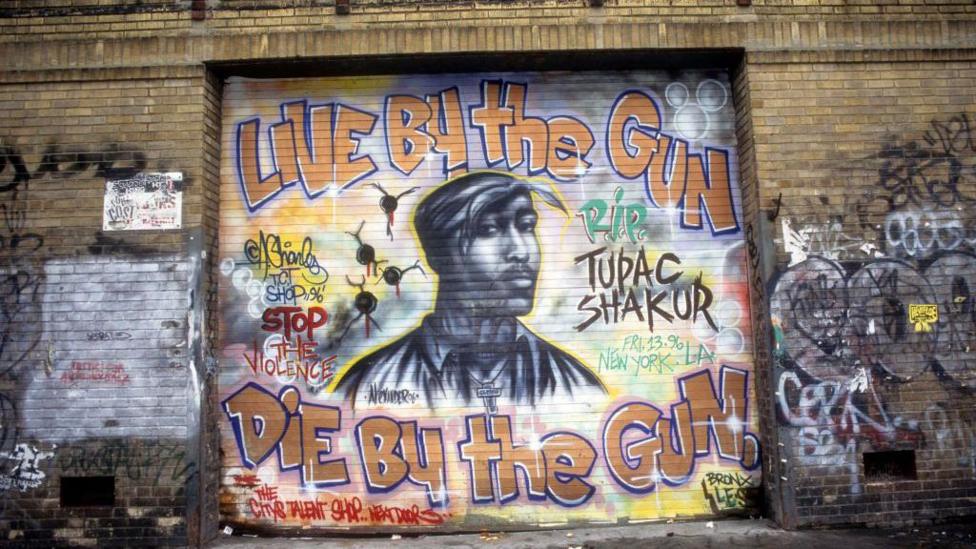
The drive-by shooting that killed rap superstar Tupac Shakur on 7 September 1996 fundamentally changed the trajectory of hip-hop, elevating the artist from the face of the genre to a permanent cultural icon. For three decades, this case has been filled with mystery, conspiracies, and lingering anger. It remained one of popular culture’s great enigmas, featuring countless theories but no arrests until 2023, when Duane ‘Keffe D’ Davis was unexpectedly charged with the murder.
The 63-year-old former gang boss is now set to stand trial in Las Vegas. He is accused of murder with a deadly weapon with the intent to promote, further, or assist a criminal gang. If convicted, he faces life in prison without parole. Jury selection in the case began on Monday, with opening arguments scheduled to start on 17 August. The proceedings are expected to unravel the intricacies of the bitter and deadly East Coast versus West Coast rap rivalries that were immortalised in lyrics and news reports throughout the 1990s.
To understand how the case became so mythologised, you have to go back to rivalries that grew larger than the men at its centre. In the Los Angeles gang landscape of the 1990s, there was a vicious turf war between the Bloods, often represented by the colour red, and the Crips, who often wore blue. This territorial dispute was mirrored in the music industry by two rival record companies: Suge Knight’s Death Row Records and Sean ‘Diddy’ Combs’ Bad Boy Records.
Born in New York City, Tupac moved to northern California as a teenager. Jeff Pearlman, author of ‘Only God Can Judge Me: The Many Lives of Tupac Shakur’, notes the irony of his background: ‘The funny thing about it is Tupac is actually an East Coast rapper.’ Despite his West Coast association, he became a defining figure of the era. Santi Elijah Holley, author of ‘An Amerikan Family: The Shakurs and the Nation They Created’, argues that the Death Row persona never told the whole story of a man whose mother, Afeni, was a Black Panther.
Holley explains that for Tupac, music was politics: ‘His activism was his art, his lyrics.’ Beyond his music, he acted in several Hollywood films and released hip-hop’s first double album, ‘All Eyez on Me’, which sold over 5,000,000 copies. After he was shot in Las Vegas on 7 September 1996, he was immortalised as a martyr for the lifestyle he helped make famous. He died six days later after being hit four times.
The case against Davis is complex. Prosecutors have released a list of over 200 potential witnesses, including members of Tupac’s family, former Las Vegas Mayor Oscar Goodman, and former Los Angeles police Detective Greg Kading. The list also includes Suge Knight, though it remains unclear if the rap impresario will testify, as he has previously stated he would not. Legal expert Kent notes, ‘This would be huge as he has never offered law enforcement any information that would lead to the conviction of anyone. This trial is going to be a legal scholar’s Super Bowl.’
Duane Davis, the accused, is the uncle of Orlando Anderson, an alleged gang member who was long suspected of involvement. The fatal night began when Tupac and Knight attended a boxing match between Mike Tyson and Bruce Seldon at the MGM Grand. Surveillance footage captured Tupac and members of his entourage confronting Anderson. About three hours later, Tupac was riding in the passenger seat of Knight’s BMW when he was gunned down.
For nearly thirty years, the killing remained one of America’s most famous unsolved murders. Las Vegas police have long stated that witnesses refused to cooperate, while members of Tupac’s entourage claimed police were indifferent. Within weeks of the shooting, investigators identified Anderson from the MGM footage and questioned him, but he denied involvement and was never charged. Anderson was later killed in an unrelated shooting in 1998.
Over the years, police pursued thousands of tips, but the case stalled amid disappearing witnesses and a lack of physical evidence. It was only years later when Davis, Anderson’s uncle, began speaking publicly about the events that the case began to move forward. Police claim these statements blew the investigation wide open. Davis has repeatedly denied allegations that he was directly involved in the planning or execution of the murder.
The trial is expected to hinge on a book co-authored by Davis, which prosecutors view as a key piece of evidence. The proceedings will likely serve as a final chapter for a case that has haunted the music industry for generations. The cultural impact of the trial is expected to be significant, drawing attention to the intersection of gang violence and the rise of gangsta rap in the 1990s.
As the trial commences, the public remains captivated by the details of a case that defined an era. The rivalry between Death Row Records and Bad Boy Records, which once dominated headlines, will be re-examined under the scrutiny of the court. The legal battle aims to provide closure to a mystery that has persisted through three decades of speculation and conspiracy theories.
For those following the case, the Sounds podcast ‘Fame Under Fire: The Tupac Murder Trial’ provides ongoing updates. As the court prepares to hear opening arguments, the world watches to see if justice will finally be served for the death of one of music’s most influential figures. The outcome of this trial will undoubtedly mark a historic moment in both legal and hip-hop history.
Members of Tupac’s entourage said police initially treated them like suspects and failed to follow important leads.
He co-authored a memoir in 2019 titled Compton Street Legend, that claimed he not only was inside the vehicle when Tupac was shot, but he was also the person who “tossed” the gun used to kill him into the backseat of the
Over the next couple of years they spent time corroborating Davis’ account and then in 2023, searched his home and seized multiple computers, two tubs of photographs and a slew of Tupac-related material, including a Vibe
He became known as a southern California rapper after signing with Death Row Records, which included acts like Snoop Dogg and Dr Dre.
That album, which debuted months before his death, cemented his place in the cannon of gangsta rap, a genre that celebrated the violent life of street criminals and drug dealers.
There is no single explanation why.
He co-authored a memoir in 2019 titled Compton Street Legend, that claimed he not only was inside the vehicle when Tupac was shot, but he was also the person who “tossed” the gun used to kill him into the backseat of the Cadillac.
Davis also elaborated on the shooting to the media, detailing information to reporters in interviews.
Over the next couple of years they spent time corroborating Davis’ account and then in 2023, searched his home and seized multiple computers, two tubs of photographs and a slew of Tupac-related material, including a Vibe magazine.
Nevada prosecutors argued that by publicly talking about what happened on the night of Tupac’s death and writing a book where he claimed to have supplied the gun, Davis had broken the agreement he entered into with law enforcement.
A judge later sided with the prosecutor’s argument, opening the door for Davis’ arrest.
Davis and his defence team have argued that the book was co-authored and sections were embellished or fictionalised to make a profit, and they should not be viewed as direct admissions.
Trial attorney Shaun Kent told the: “This is what makes this case so fascinating.
“Keffe D has the right to take the stand and say ‘I made all this up.
Combs is currently serving a 50-month prison sentence after being convicted for two counts of transportation for the purposes of prostitution in New York.

Comments