
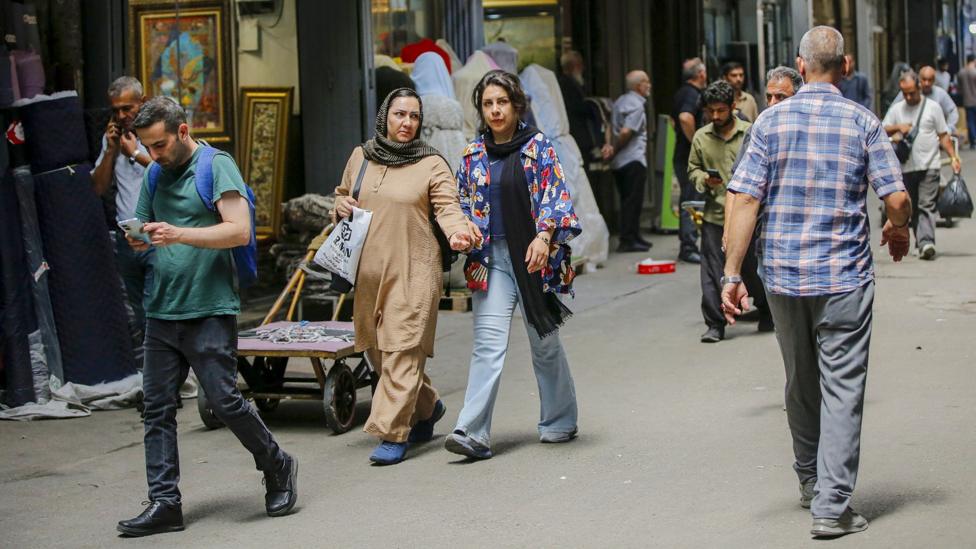
The United States has launched what it describes as “the single greatest financial offensive ever,” aiming to leverage economic pressure alongside Israel to conclude the ongoing war with Iran. While the regime has faced near-continuous US sanctions since the 1979 Islamic Revolution, it has cultivated deep trade relationships with nations that either historically resist US economic mandates or find themselves economically unable to sever ties with Tehran. Consequently, Iranian officials claim to be “fully prepared” for these new measures, and many economists suggest the impact of this “economic D-Day” may be limited.
Key Trade Partners and Economic Dynamics
- China: As Iran’s largest trading partner, China accounted for 26.9% of Iranian exports in 2025. Beijing has firmly rejected the new sanctions as “illegal unilateral” actions, signaling it will prioritize its own interests.
- Turkey: A major trading partner and the only NATO member sharing a border with Iran, Turkey faces a difficult balancing act. With domestic inflation at 31.8%, economists suggest Turkey cannot afford to abandon its economic relationship with Tehran.
- Pakistan: A significant export partner that also serves as a key mediator in US-Iran peace talks. Pakistan’s economy is heavily tied to the US, creating a complex diplomatic dilemma. Additionally, fuel smuggling across the 900km border remains a persistent challenge that local authorities have struggled to police.
- Armenia: Another critical partner, Armenia maintains strong ties with Russia—which receives 34.9% of Armenian exports—suggesting a willingness to ignore US pressure to maintain its regional trade network.
Data regarding these trade volumes, provided by the International Trade Centre, comes with caveats. Much of the information relies on partner-reported import figures, and analysts note that significant oil sales to China were likely underreported even before the current conflict escalated. Furthermore, data for partners like Iraq remains incomplete, complicating the full picture of Iran’s economic reach.
Expert Analysis on Sanctions Enforcement
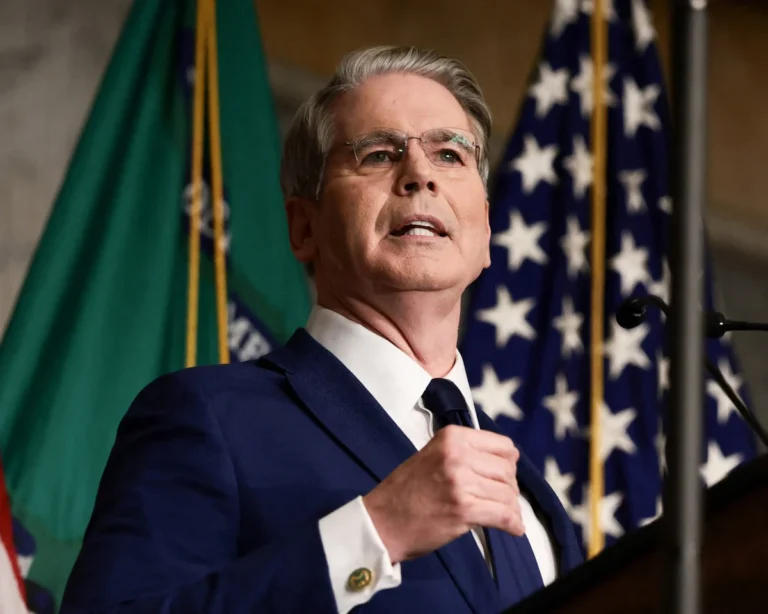
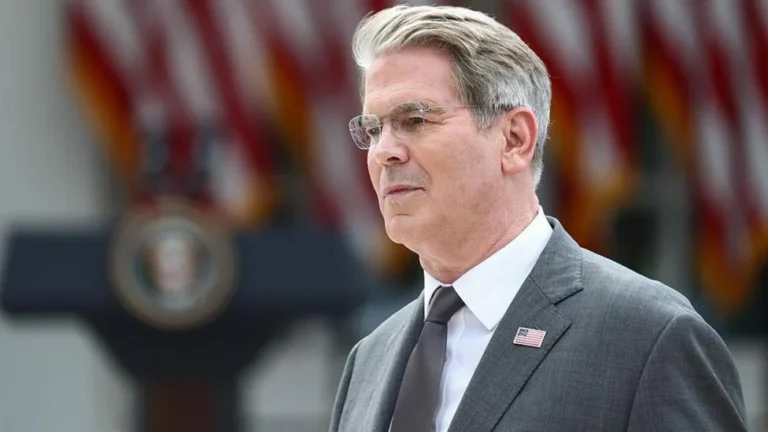
- US Treasury Secretary Scott Bessent: Claims the sanctions will “tighten the noose and block every potential source of revenue.”
- Oxford Economics: The advisory firm characterized the potential direct impact on Iranian revenues as “somewhat of a damp squib.”
- Ali Vaez (International Crisis Group): Argues that Iran is already heavily sanctioned, shifting the focus to whether the US can effectively enforce fines on third-party nations. He noted that the US previously attempted an economic war with China but eventually retreated.
- Aya Ibrahim (Former State Department Advisor): Warns that overreliance on sanctions incentivizes nations to circumvent the US financial system. She also raised humanitarian concerns, noting that such measures often deny populations access to essential life-sustaining goods.
Global markets have largely reacted with indifference to the announcement. While oil prices dipped, they remain significantly higher than pre-war levels, and major stock indexes across the US, Europe, and Asia have shown minimal movement. Ultimately, the US faces a significant challenge in convincing international investors and trading nations that this latest threat of economic punishment will be sustained or effective. The report also notes that however, Iran is no stranger to these tactics. The report also notes that second, the ITC tallies Iran’s exports using mostly the import numbers reported by its trading partners – owing to the difficulty in getting up to date export data from Iran. The report also notes that however, economists point out that Turkey cannot stop trading with it without significant damage to its economy, which is already struggling with inflation running at 31.8%, according to official data, external. The report also notes that but unlike Turkey, Pakistan’s top export partner is instead the US, meaning it has more to lose from any economic punishment imposed by Washington. The report also notes that the other complicating factor is that not all of Pakistan’s trade with Iran is within the Pakistan government’s control. The report also notes that some as young as 15, has seen evidence that oil is being smuggled across the border from Iran to Pakistan en masse by bikers. The report also notes that it has struggled to police remote parts of the 900km border, and though the US and Pakistan’s oil firms have pressured Pakistan’s government to clamp down on the practice.



Comments