
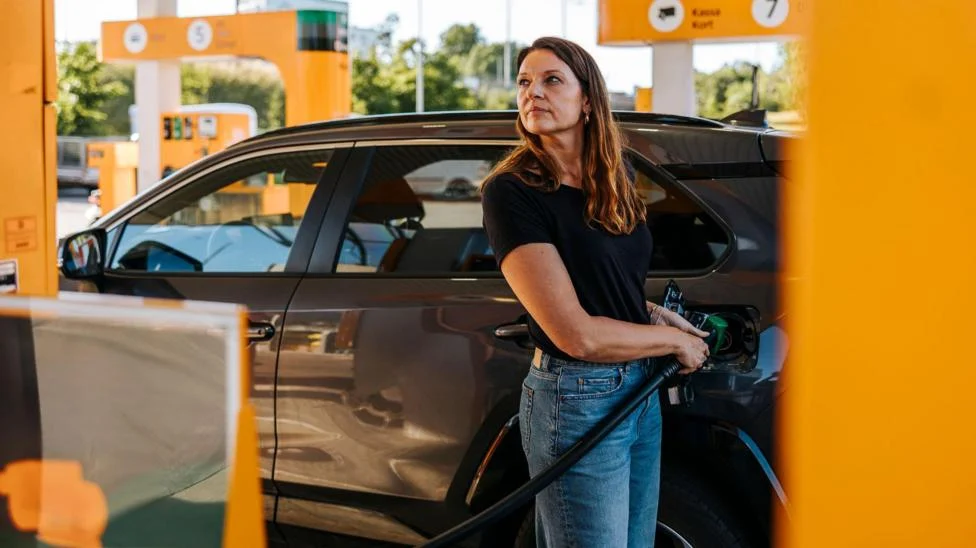
UK drivers are facing rising costs at the pump, with average unleaded petrol prices reaching their highest point since the Iran conflict began on 28 February. According to the RAC, petrol is currently priced at 163.6p per litre, while diesel has risen to 184.99p per litre.
The surge in fuel costs is directly linked to the wholesale price of oil, which has experienced significant volatility since the fighting disrupted Middle Eastern supply chains. Before the conflict, Brent crude was valued at approximately $70 per barrel, but the escalation of hostilities pushed prices to a peak above $120. While a brief framework deal in June saw prices retreat toward $70, the subsequent collapse of peace talks drove them back up to over $100, with current levels hovering around $94 per barrel.
Market analysts note that for every $10 increase in the price of a barrel of oil, pump prices typically rise by roughly 7p per litre. Because of the time required to transport and refine oil, these wholesale market fluctuations usually take about two weeks to impact costs at local filling stations.
RAC head of policy Simon Williams warned that with oil prices remaining elevated, motorists will almost certainly face noticeably higher costs at the pumps in the coming weeks. Despite these increases, current prices remain below the record highs seen in the summer of 2022 following the Russian invasion of Ukraine, when petrol peaked at 191.5p per litre and diesel reached 199p.
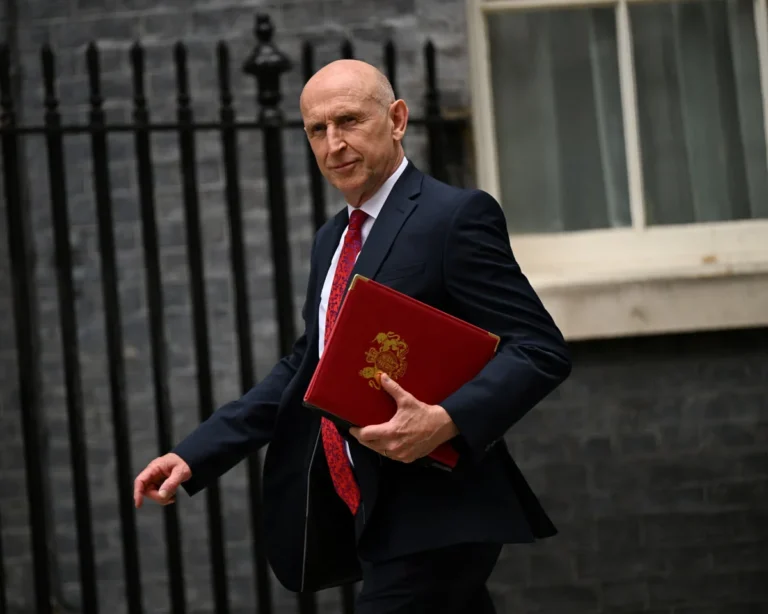
In response to the economic pressure, the government has taken steps to mitigate costs. In May, then-Prime Minister Sir Keir Starmer announced that a planned 5p increase in fuel duty, originally scheduled for September, would be deferred until the end of December.
Retailers have faced scrutiny regarding their pricing practices during the crisis, though they have consistently denied allegations of price gouging. The official markets regulator stated it has found no evidence that fuel retailers are actively altering their strategies to exploit the current situation.
To assist consumers in finding the best rates, the government introduced the Fuel Finder scheme. Luke Bosdet, head of policy at the AA, noted that the organization was surprised by the speed at which prices dropped earlier this year, attributing that trend to the effectiveness of the comparison tool.
Looking back at the recent volatility, the RAC reported that average prices had dipped to a low of 150.59p per litre for petrol and 164.52p per litre for diesel in early July. However, the subsequent failure of diplomatic efforts has reversed that downward trend, keeping financial pressure on drivers across the country. The report also notes that the price of petrol and diesel is also heavily influenced by demand and refining capacity. The report also notes that analysts say every $10 (£7.44) per barrel increase in the oil price pushes up pump prices by roughly 7p a litre. The report also notes that news of further conflict drives the price up while hopes of an end to the war pushes the price down, generally speaking. The report also notes that after the framework deal was signed, prices fell back to near the $70 a barrel mark, in early July. The report also notes that according to the RAC, diesel remains below the peak of 191.54p a litre it reached on 15 April, while petrol has hit its highest price since the Iran war began.



Comments