
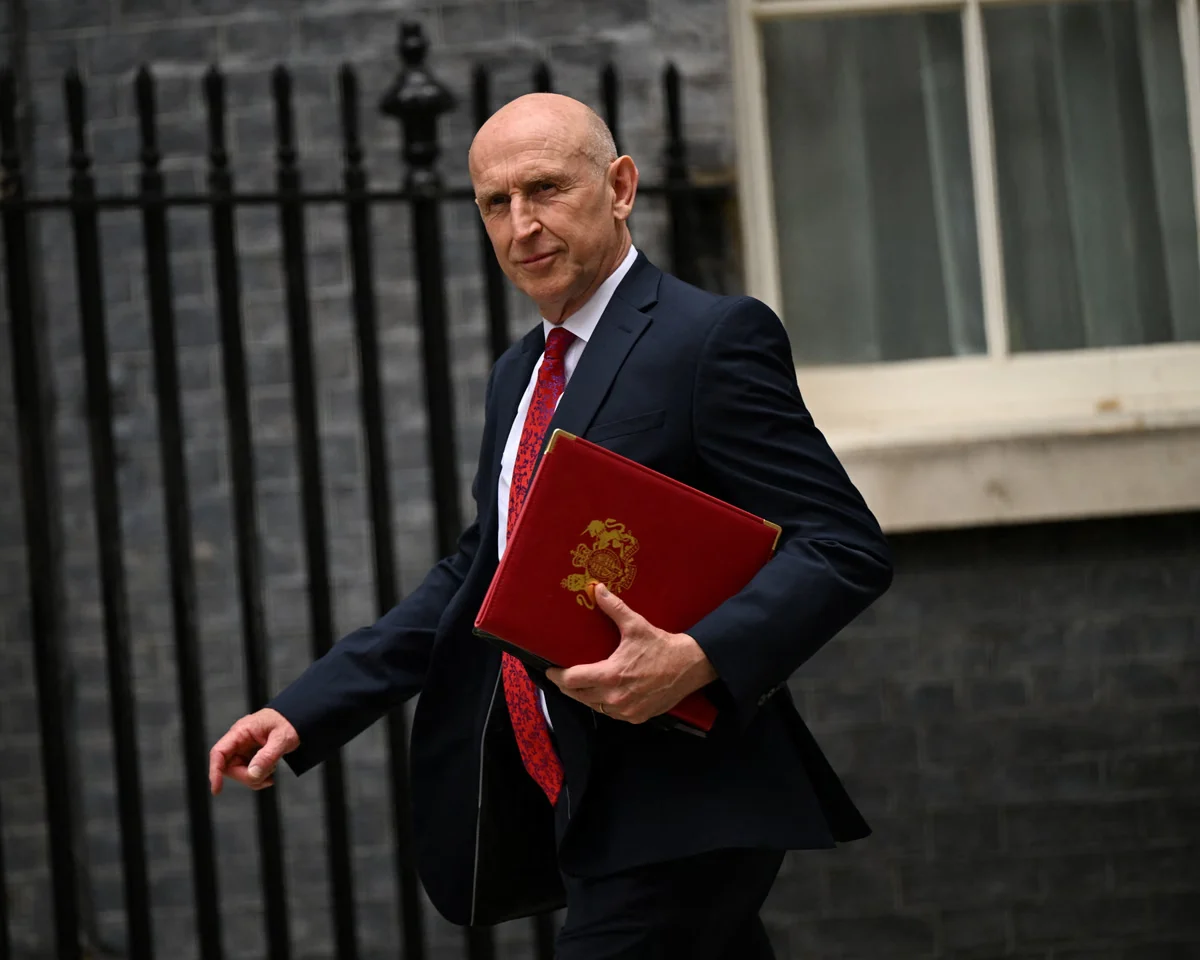
Chancellor John Healey has signaled that his inaugural budget, scheduled for October 28, will involve difficult decisions as the UK grapples with the economic fallout of the conflict in Iran. In an interview with the Financial Times, Healey emphasized the need to establish a robust “buffer against uncertainty” to protect the nation from increasing global instability.
The Chancellor noted that the ongoing situation in the Middle East is actively driving up inflation, hindering economic growth, and inflating borrowing costs. He described the current climate as a “more dangerous world” that presents significant challenges for the UK, requiring a coordinated response with international partners. While Healey declined to specify his exact target for fiscal headroom, he confirmed that he and Prime Minister Andy Burnham—who appointed him in July following Rachel Reeves’ departure—are fully aligned in their commitment to existing fiscal rules.
Economists warn that Healey may be forced to implement tax hikes or substantial spending cuts to maintain the £24bn in fiscal headroom established in the March statement. Despite these pressures, the Chancellor intends to uphold Labour’s 2024 manifesto pledges, which rule out increases to income tax, national insurance, VAT, and corporation tax for working people.
Public finances are currently strained by global bond yields, which recently reached an 18-year high, directly impacting government debt servicing costs. Healey acknowledged the severe pressure on households and businesses regarding the cost of living, while also stressing the necessity of reducing the national welfare bill to encourage workforce participation. He expressed confidence that the difficult measures he plans to introduce will yield long-term benefits.
The government is facing pressure to address spending, with cross-bench peer Jim O’Neill suggesting that ministers must take credible action to curb welfare and pension costs to reassure bond markets. O’Neill warned that failing to act could lead to unsustainable debt servicing costs and negative impacts on mortgage rates.
Discussions regarding the state pension “triple lock”—which has increased the pension bill by approximately £16bn—have intensified. Jonathan Cribb, deputy director of the Institute for Fiscal Studies, suggested that the government could explore an Australian-style model. This system would link pension increases to average earnings while incorporating a “temporary lock” to protect against wage declines during periods of high inflation or recession.
Healey has previously faced scrutiny regarding his stance on defence spending, having resigned as defence secretary in June after failing to secure a Treasury commitment to raise spending to 3% of GDP by 2030. Meanwhile, the political opposition continues to offer alternatives; Reform UK spokesperson Robert Jenrick recently pledged to cut £80bn in public spending over five years by targeting welfare, overseas aid, net zero investments, and the size of the civil service. The report also notes that the chancellor has indicated that the UK will face a tough budget next month due to Trump’s war in the Middle East. The report also notes that “It’s part of a more dangerous world that is more uncertain and it’s one of the challenges we have to meet in this country, but have to meet with other [countries].”. The report also notes that such as income tax, national insurance contributions or VAT, and was also not expected to raise the rate of corporation tax, the newspaper said he planned to stick to Labour’s 2024 manifesto pledges not to raise taxes on “working people”. The report also notes that in June, he resigned as defence secretary because he was unable to get the Treasury to commit to the target, in what was seen as a fatal blow to Keir Starmer’s government. The report also notes that and we’re concerned about the cost of business.”, we’re concerned about the cost of living. The report also notes that he said: “If you have the markets carrying on doing what they’re doing globally … eventually they’re going to have absolutely no choice [but to cut spending] because the penalty of the debt servicing cost and the knock-on effect to other markets including mortgage rates will be too severe for a government to resist.”, speaking to Times Radio earlier this week.






Comments