
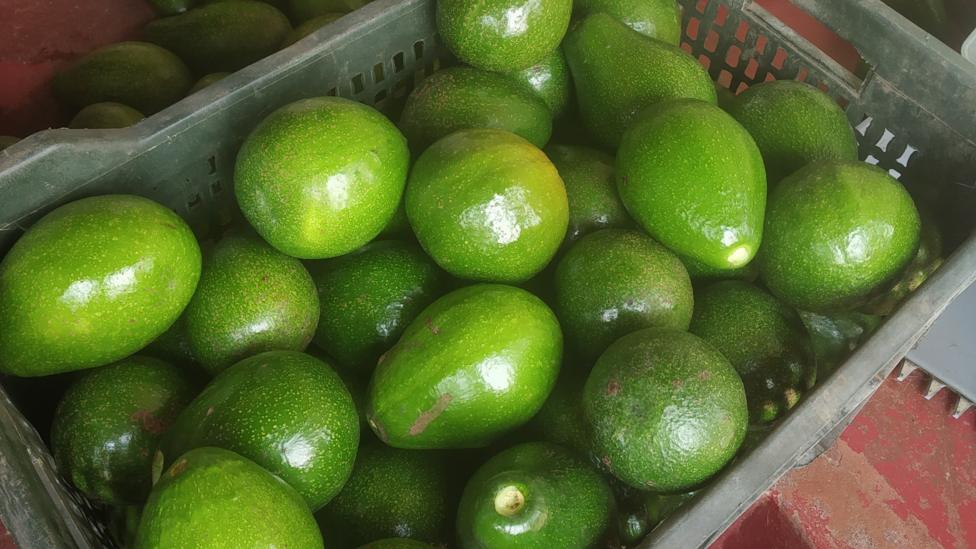
Fifteen years ago, avocados were largely ignored in India, with ripe fruit often left to rot or consumed by dogs—a reality that earned the produce the unflattering nickname of “dog fruit.” Today, however, the landscape has shifted dramatically as demand for the fruit booms across the country.
Madhu Bopaiah, a veteran of India’s plantation industry for 26 years, currently serves as group manager at Cottanad Plantations in the hills of Wayanad, Kerala. The estate, which produces coffee, rubber, cocoa, and spices, originally treated avocado trees merely as shade for coffee plants. The turning point arrived around 2011, when Bollywood actress Shilpa Shetty publicly credited avocados for her skincare routine. According to Bopaiah, prices doubled overnight and have maintained an upward trajectory ever since.
In response to this market shift, Cottanad has dedicated 40 acres to avocado cultivation. After harvesting between 10 and 15 tonnes of fruit last year, the plantation aims to increase output to 40 to 50 tonnes within the next three to four years. Bopaiah notes that they have overhauled their growing techniques, adopting South African methods such as raised beds and wider spacing to protect the crop’s disease-vulnerable roots.
The potential for domestic growth is significant. Manilal Palliyath, an industry promoter, highlights a substantial supply-demand gap, noting that India imports approximately 15,000 tonnes of avocados annually, while domestic production lags at roughly 8,000 to 9,000 tonnes. For many farmers, this presents a vital opportunity for diversification, especially as traditional crops like coffee and pepper struggle against shifting climatic conditions.
Despite the growing interest, challenges remain regarding quality and consistency. Hussain Shahzad, executive chef at Mumbai-based Hunger Inc. Hospitality, notes that while local produce is improving, imported varieties currently offer the reliable flavor, texture, and ripening profiles required by high-end restaurants. Nevertheless, Shahzad emphasizes a strong desire within the catering industry to source more ingredients locally as Indian agriculture evolves.
To bridge the quality gap, some entrepreneurs are turning to international expertise. Harshit Godha, founder of the Indo-Israel Avocado Nursery in Bhopal, established his business in 2021 after studying Israeli agricultural technology. Over the past five years, he has supplied roughly 18,000 saplings of international varieties like Hass and Pinkerton to farmers across India. Godha stresses that professionalizing the industry requires moving away from traditional backyard cultivation, noting that successful orchards require precise pruning to keep trees at a manageable height and careful planting ratios to ensure proper pollination.
Simultaneously, researchers are working to standardize local varieties. Dr. Ganeshan Karunakaran, a principal scientist at the ICAR-Indian Institute of Horticultural Research in Bengaluru, has spent 25 years on a breeding project aimed at creating uniform, high-yielding planting material. He warns that the current market is flooded with inconsistent fruit from genetically diverse backyard trees and cautions farmers against purchasing unregulated, potentially diseased nursery stock that could lead to long-term financial losses.
Early adopters like Shiju Sebastian are already seeing success. Eight years ago, Sebastian dedicated two acres of his Wayanad farm to avocados. This year, he expects to harvest 3,500kg of fruit, all of which is sold in Bengaluru. Encouraged by the results, he plans to expand his operation by another three acres, citing the need for proper guidance and reliable markets as the primary requirements for farmers looking to make the switch. The report also notes that we never planted avocado as our main crop. The report also notes that and only later realised it could become a profitable business,” he says, we introduced it as a shade tree for coffee plantations. The report also notes that we completely changed the way we grow avocados after learning from South African experts. The report also notes that there’s plenty of scope for Indian farmers to step-up production. The report also notes that including Veronica’s and The Bombay Canteen, the group owns four restaurants in Mumbai. The report also notes that we are always interested in exploring better local produce as it evolves. The report also notes that supporting Indian agriculture and working with indigenous ingredients is central to how we approach food.









Comments