
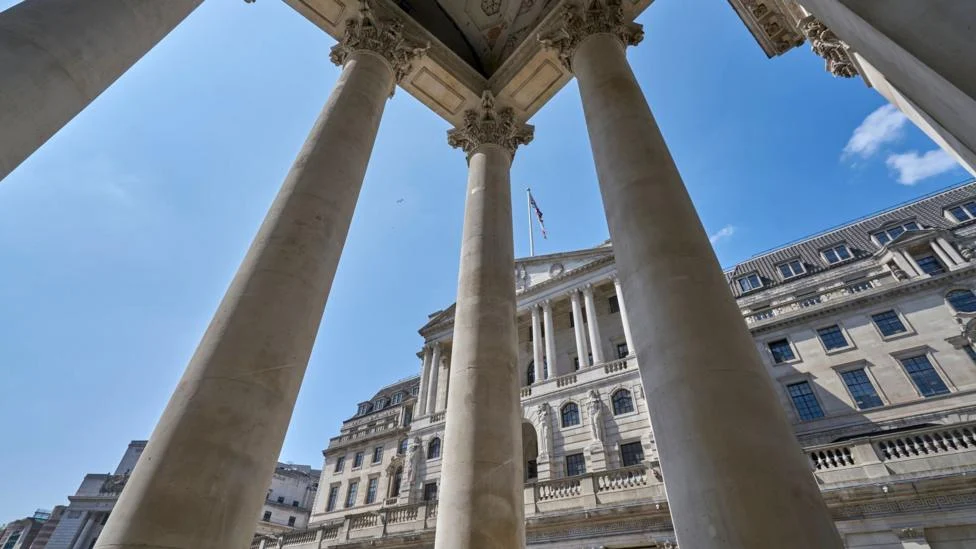
Upcoming Monetary Policy Decision
- Announcement Time: 12:00 BST on Thursday
- Current Benchmark Rate: 3.75%
- Target Inflation Rate: 2%
- Recent CPI Inflation: 3.1% in August, up from 2.9% in July
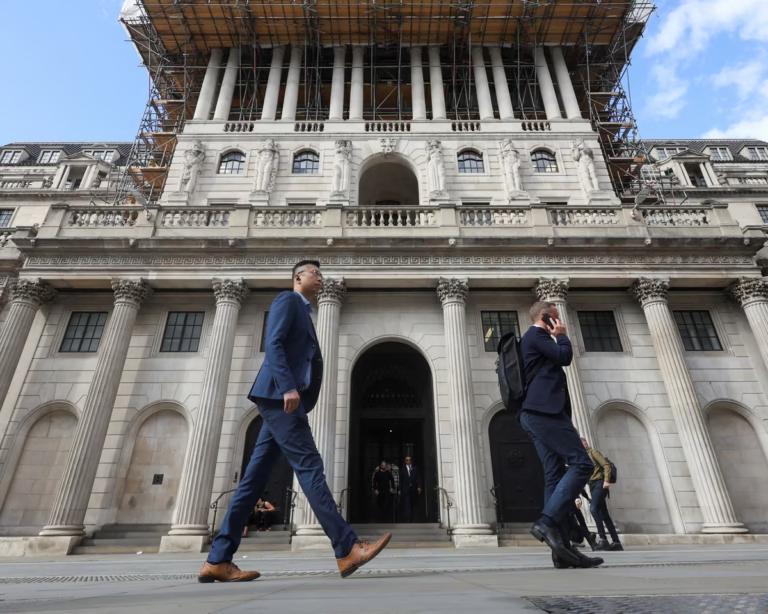
The Bank of England’s Monetary Policy Committee (MPC) is widely expected to hold the benchmark interest rate at 3.75% for the sixth consecutive time when it announces its decision this Thursday. Despite this anticipated pause, the committee faces mounting pressure as official figures confirm that inflation has reached its highest level in six months.
Economic conditions remain strained by the ongoing conflict in the Middle East. Following its July session, the MPC had signaled that a rate hike might become necessary if the war in Iran intensified. Bank Governor Andrew Bailey previously warned that if the conflict persisted and oil prices remained above $100 per barrel, rising interest rates would likely follow. Since September 9, global oil prices have sustained levels above this $100 threshold, offering little indication of a near-term resolution.
The latest Consumer Prices Index (CPI) data reveals an increase to 3.1%, largely attributed to higher costs for airfares, petrol, and diesel. Analysts expect these elevated global energy costs to continue filtering through to food and fuel prices, suggesting the inflation peak has not yet passed. Central banks abroad are also reacting to these trends; both the European Central Bank and the US Federal Reserve recently increased rates, citing the geopolitical unrest and persistent inflation.
For households, the economic climate is creating significant volatility in the mortgage market. Andrew Montlake, chief executive of the broker Coreco, noted that the data proves the “inflation dragon has not been fully slain.” He warned that if inflation remains sticky, the resulting pressure on lenders’ funding costs makes it increasingly difficult to offer affordable mortgage deals. Market data from Moneyfacts confirms that average two-year fixed residential rates have climbed to 5.77%, the highest since May, while five-year fixed rates have reached 5.83%, a peak not seen since November 2023.
While savers may eventually see more generous returns on their deposits, industry experts caution that rising living costs may offset these benefits. Harriet Guevara, chief savings officer at Nottingham Building Society, advised that households should prioritize their own financial stability. She suggests that consumers avoid trying to time the market perfectly and instead focus on balancing easy-access savings with longer-term financial commitments to ensure they remain in the most competitive position possible.
The MPC must balance these aggressive inflationary signals against the risks of cooling the labor market. Members are reportedly wary of placing excessive pressure on employers, which could negatively impact job prospects for the wider workforce. The report also notes that economists expect the MPC to hold the benchmark Bank rate at 3.75% for a sixth consecutive meeting but analysts are more divided on whether the rate will need to go up before the end of the year. The report also notes that the Bank rate is crucial in setting the benchmark for banks and other lenders in setting interest for individuals and businesses borrowing and saving money. The report also notes that and have remained there since, and there are few signs of a lasting truce in the Iran war, oil prices moved above the $100 (£74) level on 9 September. The report also notes that diesel and airfares, the acceleration was driven by rises in the cost of petrol. The report also notes that in addition, the US Federal Reserve raised its interest rate to 3.5%-3.75% for similar reasons on Wednesday. The report also notes that so this will do little to calm things down, we are already seeing lenders reprice upwards. The report also notes that but anyone approaching the end of a fixed rate should start looking early, secure an option and keep reviewing it, borrowers should not panic.



Comments