
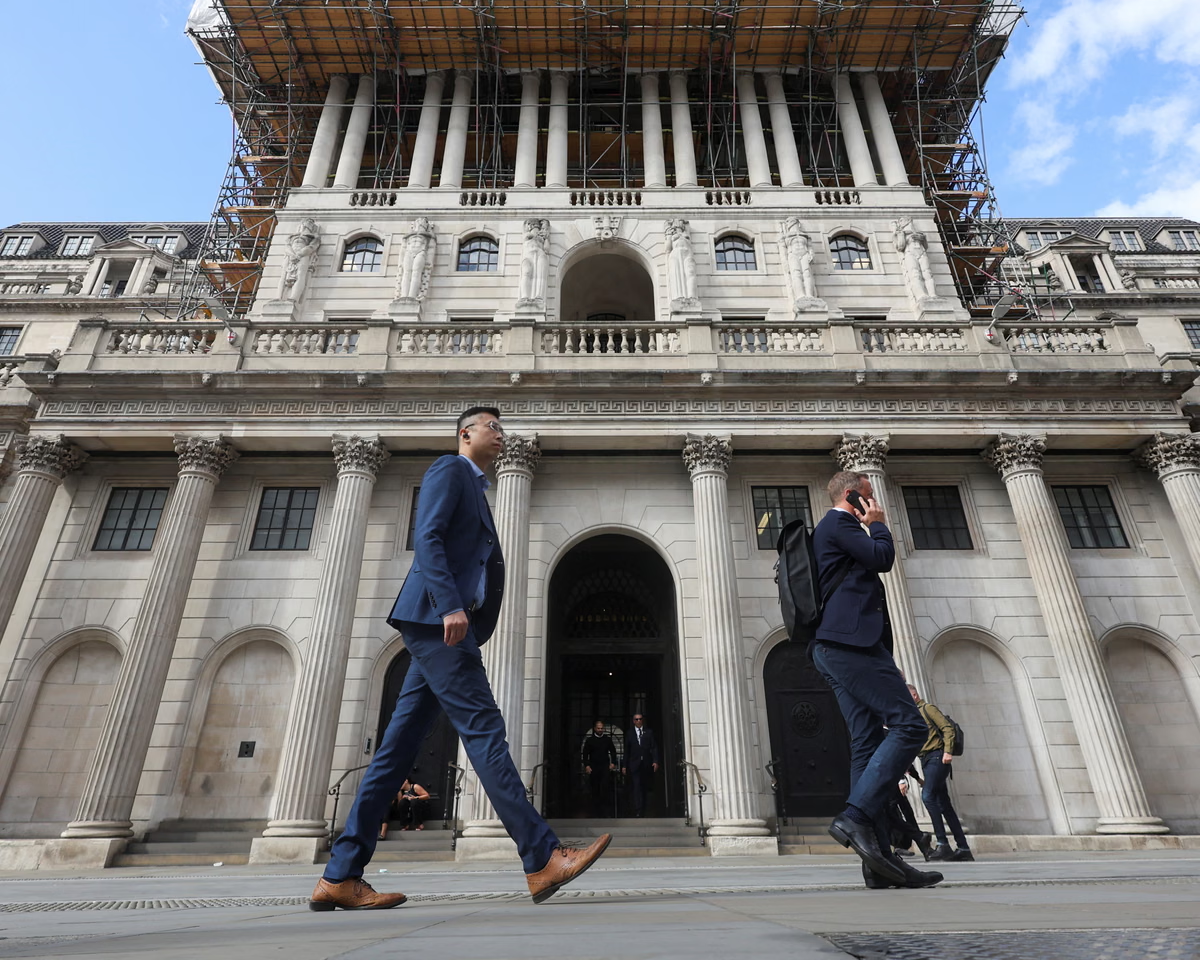
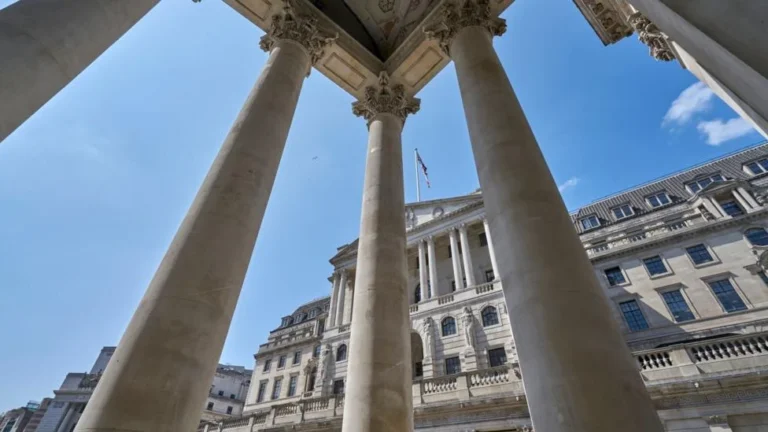
The Bank of England’s monetary policy committee (MPC) has opted to keep the base interest rate at 3.75%. The decision, reached by a six-to-three majority, comes as the committee monitors rising energy prices linked to the ongoing conflict in the Middle East.
Bank Governor Andrew Bailey cautioned that while global energy costs have not yet triggered significant wage or price volatility in the UK, a prolonged period of instability could force the institution to raise rates to protect its 2% inflation target. City traders are currently anticipating a quarter-point increase as early as November, with projections suggesting borrowing costs could climb to 4.75% by next year.
Official data indicates that inflation reached 3.1% in August, up from 2.9% in July, primarily driven by a sharp rise in fuel prices. Despite these pressures, the Bank noted that the broader economy shows resilience and there is “little evidence so far of material second-round effects” in the labor market. The Bank projects inflation will hit 4% early next year.
In a parallel move aimed at stabilizing the gilt market, the Bank announced a surprise strategy to sell £146bn in government bonds back to the Treasury, beginning at a rate of £20bn annually through 2034. This arrangement requires final approval from Chancellor John Healey next April. The Debt Management Office would oversee the process by issuing shorter-term debt to cover the buyback, a transition designed to address dwindling investor appetite for the long-term bonds currently held on the Bank’s books.
This initiative marks the final phase of the Bank’s quantitative tightening (QT) program, which has reduced its gilt holdings to roughly £488bn since 2022. The institution intends to retain £120bn in bonds to support currency circulation, while the remaining £222bn would be cleared through maturing debts and potential direct sales to the state. The Bank has agreed to pause its active QT program until the Treasury deal is finalized, stating it would revert to selling bonds to City investors if an agreement cannot be reached.
Governor Bailey emphasized in a letter to the chancellor that this structural change aims to “maximise value for money” and preserve the independence of monetary policy. The proposed shift comes as the Office for National Statistics upgraded its productivity growth estimates, providing a potential boost for the government ahead of next month’s budget.
Following the announcement, UK borrowing costs saw a modest decline, with the 10-year gilt yield dropping six basis points to reach a one-week low of 5.243%. Meanwhile, political pressure mounts, as officials weigh “difficult decisions” to manage the cost of living crisis, a move reflected in recent rate hikes by the US Federal Reserve and the European Central Bank. The report also notes that however, the Bank said the increasingly probable prospect of a lengthy war fanning intense volatility in global markets had dramatically raised the chance of it putting up borrowing costs in future. The report also notes that “But the longer this volatility persists, the bigger the impact it will have on inflation, and the more likely it is we will need to raise [the] Bank rate to ensure that inflation falls back to our 2% target.”. The report also notes that after a decision last week by the European Central Bank to raise eurozone borrowing costs, the sharp rise in global energy prices prompted the US Federal Reserve to raise interest rates on Wednesday for the first time since 2023. The report also notes that official figures on Wednesday showed inflation rose to 3.1% last month from 2.9% in July as the escalating hostilities in the Middle East drove up the average price of petrol and diesel by almost a quarter. The report also notes that against a volatile backdrop in global financial markets, Threadneedle Street also announced.



Comments