
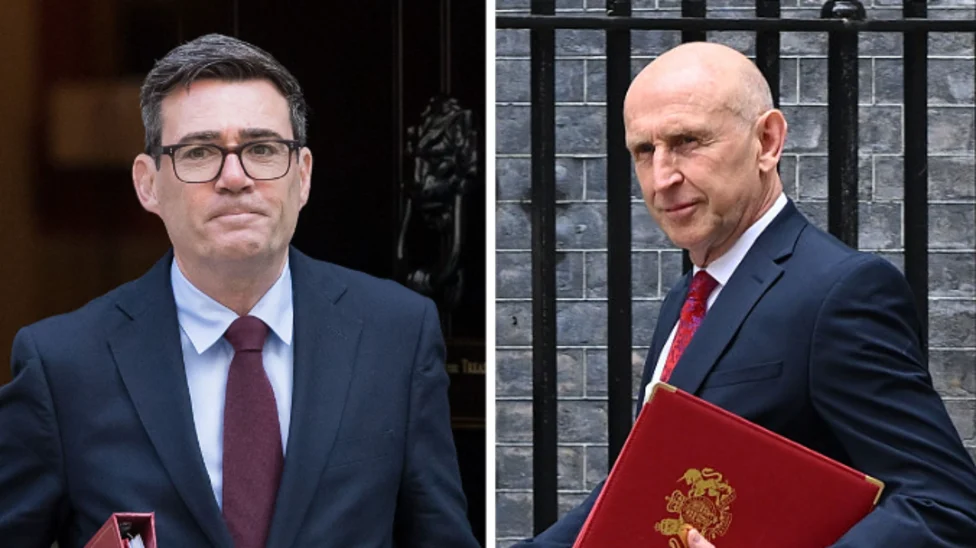
Inflation data released today highlights the significant economic challenges confronting Prime Minister Andy Burnham. With only 42 days remaining until Chancellor John Healey delivers his inaugural Budget, unease is spreading throughout the government and the wider Labour Party regarding whether the upcoming fiscal plan can truly fulfill Burnham’s promises of delivering the most substantial transformation in British politics in four decades.
The current economic climate is partially shaped by external forces, including persistent, escalating conflicts in Ukraine and the Middle East. Furthermore, the global surge in AI investment has driven up borrowing costs, affecting economies worldwide. However, domestic factors specific to Britain are fueling skepticism among observers.
Andy Haldane, a former Bank of England chief economist who has previously provided informal advice to the Prime Minister, recently told LBC that without clear evidence of reduced public spending, the markets increasingly view the government as a traditional tax-and-spend socialist administration, albeit one with superior social media content. Lord O’Neill, another prominent economist and former adviser, has expressed similar concerns in recent weeks, adding weight to the criticism.
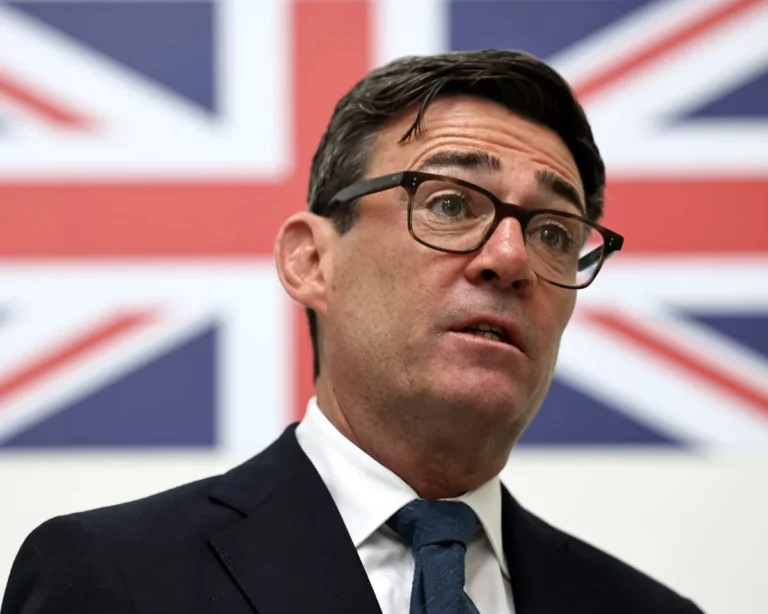
Responding directly to Haldane’s assessment, the Prime Minister insisted the characterization was inaccurate. Burnham pointed to his decision to pause digital ID implementation as evidence of his willingness to make difficult choices to prioritize government spending and maintain economic stability.
The choice of digital ID as a primary example has drawn scrutiny, particularly because the funds were almost immediately reallocated to subsidize VAT on residential electricity bills, rather than representing a net cut to public spending. Former cabinet member Darren Jones previously challenged the government’s narrative on this, noting that funding for the digital ID program had not yet been formally allocated at the time.
Chancellor John Healey is clearly aiming to reassure market stakeholders. During his first major address last week, he emphasized the need to control public spending and praised the efforts of Rachel Reeves in restoring fiscal discipline. While it is common for a Prime Minister and Chancellor to project different tones, some government insiders are beginning to question whether their overarching economic strategies are as synchronized as intended.
Internal tensions are rising as some officials openly debate the alignment of these visions. Simultaneously, there is significant concern regarding the political fallout if the government prioritizes fiscal credibility over its electoral coalition. Observers point to the removal of the Winter Fuel Allowance for most pensioners—an early move under Sir Keir Starmer—as a precedent that triggered substantial political damage.
While political opponents argue the Prime Minister must decide if he is prepared to alienate his own backbenchers, others note that the backlash over the winter fuel policy was driven largely by intense pressure from the constituents of Labour MPs. The central question remains whether policies required to appease financial markets are politically viable given the need to retain the support of the party’s progressive base. The upcoming Budget will serve as the first major indicator of how the government intends to resolve this fundamental tension. The report also notes that today’s inflation figures underscore that the economy is the biggest challenge facing Andy Burnham. The report also notes that and there is increasingly apparent concern at all levels of the government and Labour Party about how that Budget can â or, as it may prove, cannot â substantiate Burnham’s rhetoric about offering the biggest change in British politics in 40 years, it is only 42 days until John Healey’s first Budget. The report also notes that and the AI boom pushing up borrowing costs is another issue affecting many countries. The report also notes that saying: “That doesn’t tell the story, the prime minister gave a direct response to Haldane. The report also notes that he identified “putting digital ID on hold” as an example of how he had already “taken difficult decisions in this job in relation to reprioritising government spending” and vowed to continue to “take difficult decisions to make sure the economy remains on track”.


Comments