
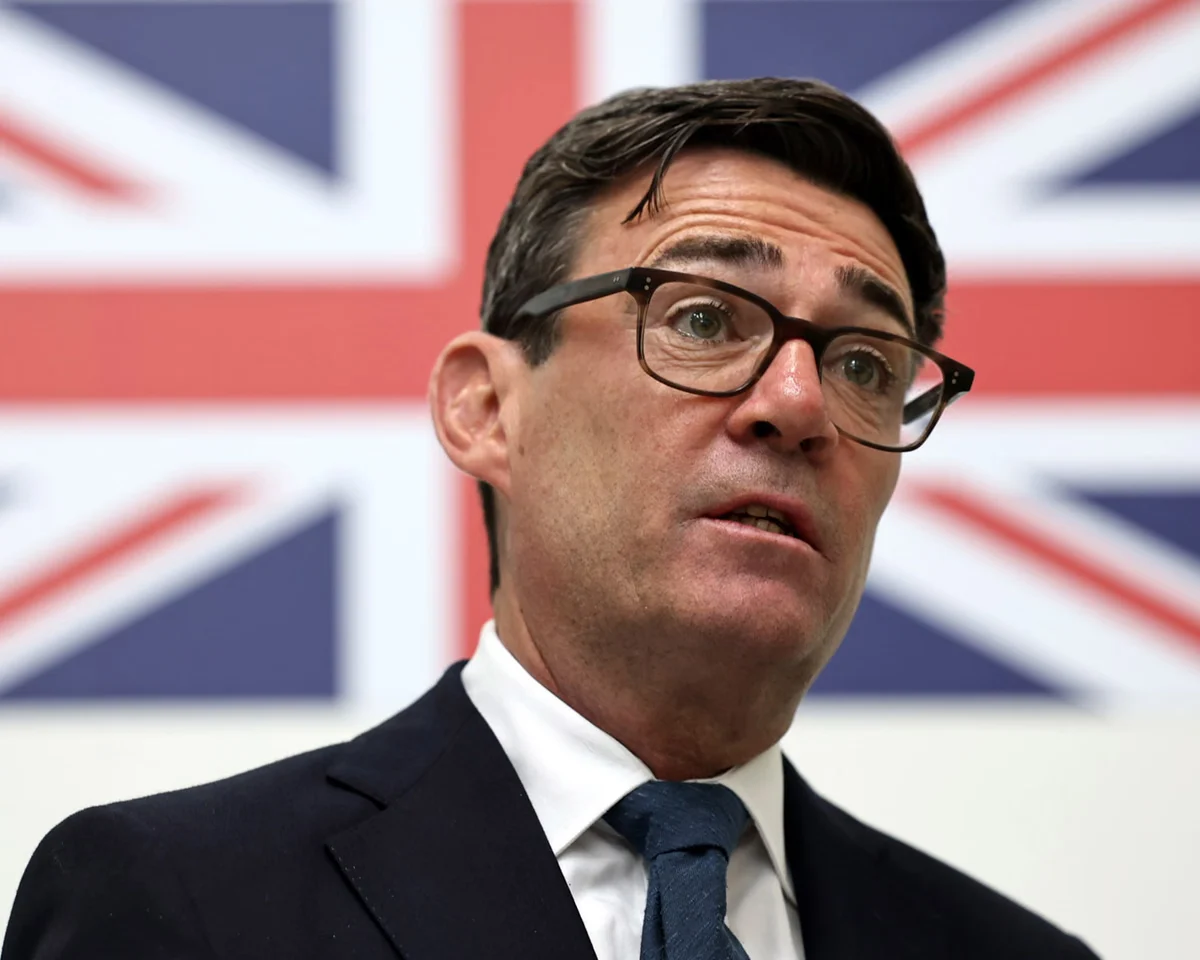
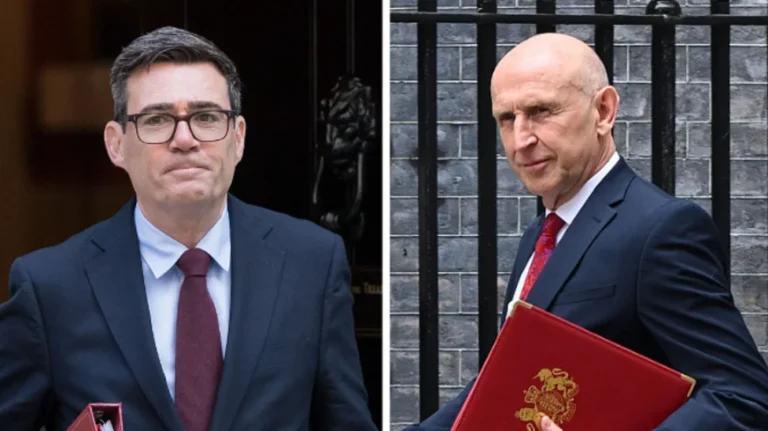
Prime Minister Andy Burnham has warned that the government must prepare for “difficult decisions” in the upcoming 28 October budget. This shift follows official data showing UK inflation climbed from 2.9% in July to 3.1% in August, a trend largely fueled by soaring energy and fuel costs stemming from the ongoing war in the Middle East.
Addressing the economic impact of the global conflict, the Prime Minister emphasized the need to keep the economy on track. He stated that the government will not take risks with living standards or broader economic stability. Burnham noted that international conditions remain challenging and that the budget process will carefully account for these global pressures.
The announcement follows criticism from former Bank of England chief economist Andy Haldane, who recently characterized the administration as a “traditional tax-and-spend socialist government.” Burnham rejected this label, insisting that his administration is prepared to make the necessary, tough choices required by the current climate.
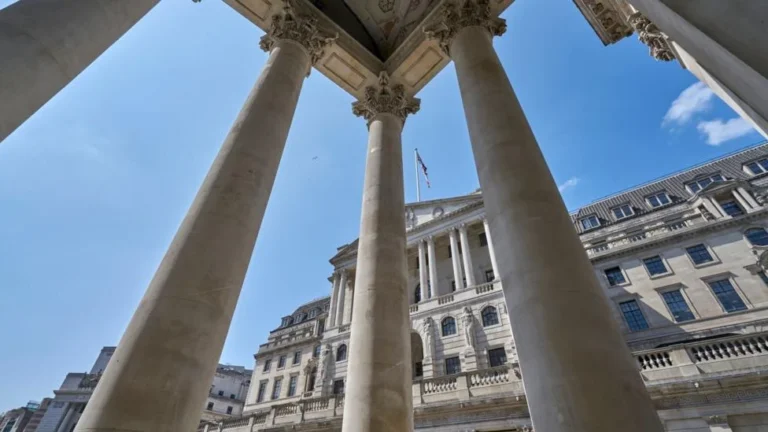
Financial markets are currently under significant strain as the war drives up oil prices, exceeding $106 a barrel. This volatility has pushed US government bond yields above 5% and driven long-term UK borrowing costs to multi-decade highs. As a result, the Bank of England is facing mounting pressure as it prepares for its latest interest rate decision, with analysts debating whether it will maintain the current 3.75% rate or move toward a hike.
The Office for National Statistics reported that the August inflation spike was primarily driven by a 23% jump in motor fuel prices. Petrol costs increased by 9.1p to an average of 161.3p per litre, while diesel rose by 14.2p to 181.8p per litre—levels not seen since November 2022. Air fares also saw a sharp 6.2% increase, particularly across long-haul routes, further contributing to the cost-of-living squeeze.
While headline inflation remains above the 2% target, some signs suggest the underlying economy is cooling. Wage growth has slowed and unemployment has edged upward, factors that the Bank of England has previously cited as potential buffers against entrenched inflation. Currently, core inflation—excluding volatile food and energy costs—has held steady at 2.6%, and service sector inflation remains unchanged at 3.4%.
Economists warn that if the conflict in the Middle East intensifies, UK inflation could climb further toward 4%. This outlook intensifies the burden on Chancellor John Healey to use the autumn budget to provide relief to households that have endured years of rising costs for food and energy.
Market analysts have expressed concerns over the government’s limited fiscal flexibility. Richard Carter of Quilter Cheviot described the latest inflation figures as a significant setback for an administration hoping to prioritize the cost-of-living crisis, noting that with rising borrowing costs, fiscal measures will likely remain constrained and economic growth challenged. The report also notes that andy Burnham has said “difficult decisions” will need to be taken in next month’s budget after a rise in energy prices triggered by the Iran war drove UK inflation above 3%. The report also notes that “It is going to be challenging, because the picture around the world is challenging, particularly the situation in the Middle East, and we will look carefully at all those things. The report also notes that financial markets predict a one-in-five chance of a quarter-point rise from the current level of 3.75% as Threadneedle Street comes under pressure to take action, with headline inflation drifting further from its 2% target. The report also notes that the City expects at least four increases to 4.75% next year. The report also notes that the Bank has previously said a cooling jobs market could help limit the risk of stubbornly high inflation becoming entrenched. The report also notes that the chief investment strategist at Wealth Club, said: “Given this ramp-up in consumer prices, the pressure on the Bank of England to raise rates is mounting, although a hold at 3.75% is still expected tomorrow, susannah Streeter. The report also notes that “It feels like Groundhog Day, with consumers once again feeling the pinch due to geopolitical events far beyond their control.”. The report also notes that the global oil price has soared to more than $106 a barrel, as fighting across the Middle East intensifies.

Comments