
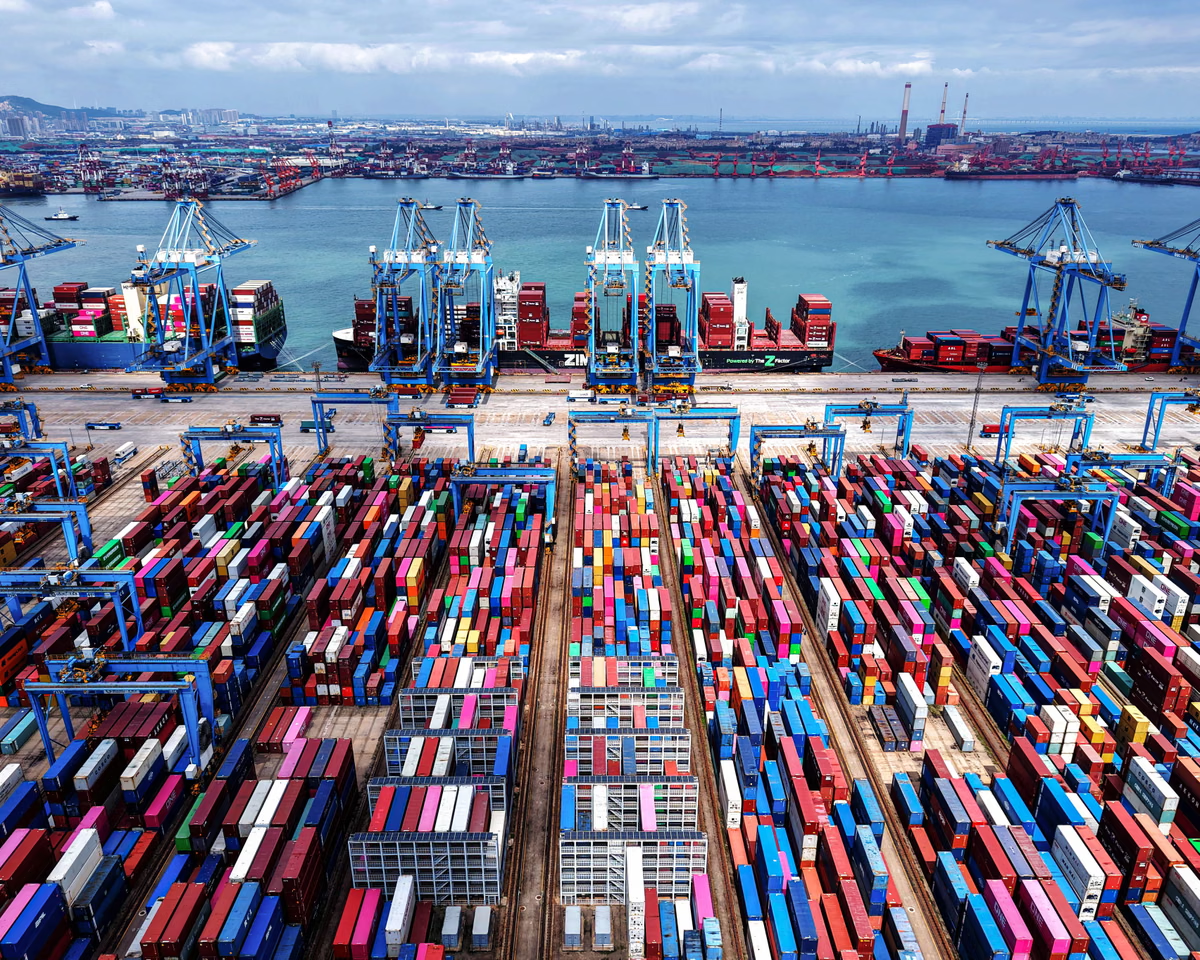
New research indicates that the trade deficit between the European Union and China expanded significantly in July, with the bloc importing goods at three times the rate it exports to the nation. According to the Mercator Institute for China Studies (Meric), the EU’s trade deficit reached €36.5 billion in July 2026, marking a rise from the €32.2 billion recorded in July 2025.
Customs data confirms that this widening gap amounts to a daily deficit exceeding €1 billion. For every euro’s worth of goods the EU exported to China in July, it imported €3.10. Between January and July, the cumulative trade deficit climbed to €234 billion, an increase of approximately €21 billion compared to the same period in 2025.
The findings arrive shortly after European Commission President Ursula von der Leyen called for urgent action to address this economic imbalance. This shift in trade dynamics is expected to feature prominently during upcoming high-level discussions, including Chinese President Xi Jinping’s meeting with Donald Trump in Washington this Thursday.
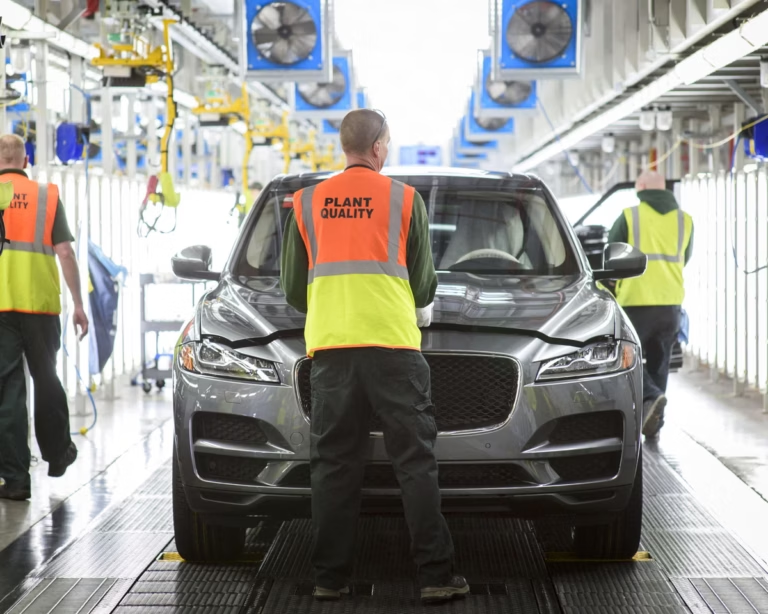
Brussels is reportedly weighing several countermeasures, including potential quotas on Chinese-made chemicals and hybrid vehicles. Imports of non-plug-in hybrid cars have surged ten-fold, jumping from under 4,000 units in October 2024 to 50,000 vehicles by July 2026, despite existing tariffs.
Diplomatic efforts to prevent a formal trade war are ongoing. EU Trade Commissioner Maroš Šefčovič is scheduled to travel to Beijing on October 8 to hold talks with his Chinese counterpart. Meric researchers noted that the scale of the bilateral deficit makes it a central issue for the upcoming October summit.
China’s Ministry of Commerce has maintained a diplomatic tone, emphasizing that any resolution must align with World Trade Organization regulations and protect the interests of industries on both sides. Despite these overtures, the ministry has previously stated it is prepared for a trade conflict.
The Washington summit is also expected to address the future of China’s rare earth export restrictions, which were implemented in April 2025. These measures previously caused significant supply shortages for the automotive sectors in the EU, US, Mexico, and the UK.
Experts like Kurt Tong, a managing director at the Asia Group, suggest that a potential extension of the 12-month reprieve on these restrictions could be announced during this week’s meetings or at next month’s Asia-Pacific Economic Cooperation summit.
Beijing suspended these specific export bans last October following a meeting between Xi and Trump in South Korea, though the last bilateral session in Beijing in May did not yield further concessions regarding these trade barriers. The report also notes that the total deficit now stands at €234bn, about €21bn more than the first seven months of 2025, from January to July. The report also notes that the deficit was equivalent to €1.18bn a day,” Meric said. The report also notes that china is selling more to Europe while buying less from it.”. The report also notes that as sales rocketed despite the imposition of extra tariffs beyond the 10% levy applying to all third-country car imports, the Financial Times reported last week that the EU has asked China to voluntarily reduce exports of hybrids. The report also notes that from just under 4,000 vehicles sold in October 2024, to 50,000 in July 2026, the latest figures show imports of hybrid cars that do not have to be plugged in have grown tenfold.







Comments