
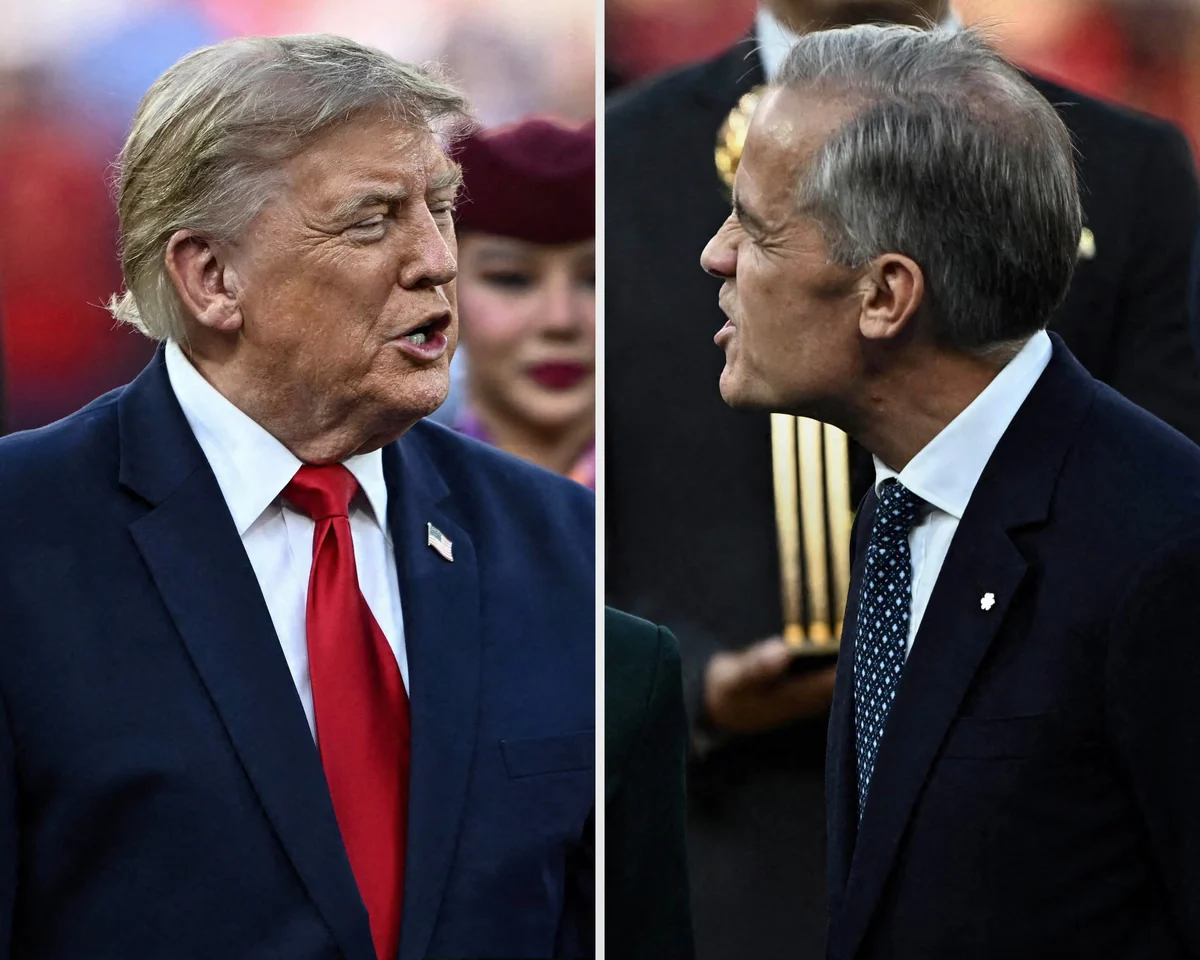
The United States has officially implemented 50% tariffs on a wide range of Canadian goods, triggering a sharp response from Prime Minister Mark Carney, who has pledged to match the measures “dollar for dollar.” The tariffs, which took effect at 04.00 GMT, impact approximately $20 billion (£14.6 billion) worth of products, spanning items as diverse as hockey sticks and medical tongue depressors.
This breakdown in trade relations marks a significant rupture between Washington and one of its most vital allies. While trade experts warn that the levies could lead to job losses and store closures, the broader consensus suggests the most profound impact will be political, further straining the relationship between the two nations. The conflict arises amid growing friction over Donald Trump’s foreign policy, which has increasingly frustrated officials in Ottawa.
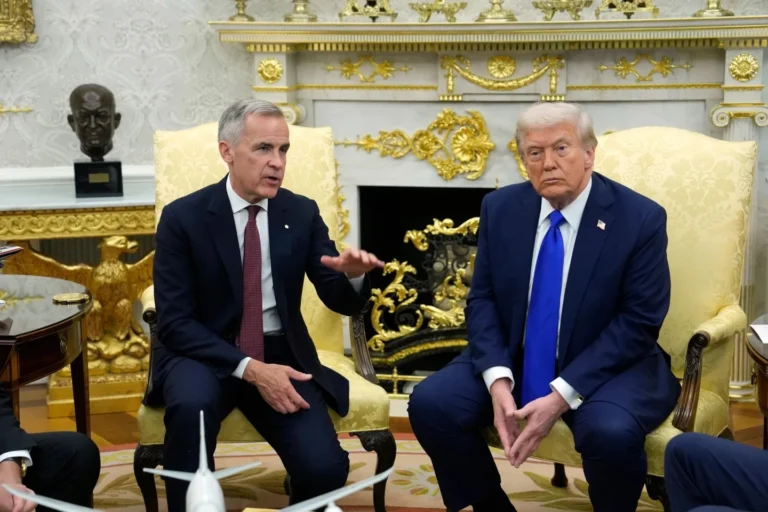
The collapse followed a late-stage failure to finalize an agreement that appeared close on Friday, with both sides trading blame for the impasse. Carney stated that his administration had negotiated in good faith, but argued that “last-minute changes in the US proposed terms were unfair, uneconomic and called into question the reliability of any deal.” Conversely, US officials claimed Canada derailed the process by seeking additional concessions at the eleventh hour.
US Trade Representative Jamieson Greer described the breakdown as a “missed opportunity for Canada,” asserting that the US had offered the best possible terms for a major exporter. Greer stated that Canada declined to finalize the agreement despite an offer that included a “historic economic and national security partnership.” The tariffs, which were initially set for Wednesday before a three-day extension was granted by the White House, now apply to roughly 5% of Canada’s annual exports to the US.
The escalating trade war has drawn sharp criticism from Canadian business leaders. Candace Laing, head of the Canadian Chamber of Commerce, characterized the tariffs as a “body blow to North American competitiveness,” warning that they would inflate costs for American consumers while threatening investment and small businesses on both sides of the border. Ontario Premier Doug Ford has publicly backed the Prime Minister’s stance, stating on social media that “Team Canada needs to stand together more united than ever before” and offering his full support for a “tariff for tariff” response.
Carney has indicated that his government will roll out support measures for affected workers and businesses in the coming days. He emphasized that Canada’s objective throughout the talks was to secure a fair agreement, stating the country would never accept a deal “at any price or on any deadline.” With no further negotiations scheduled, the dispute casts significant doubt on the future of the North American trade pact involving the US, Canada, and Mexico.
The diplomatic climate has been further chilled by broader tensions, including public outcry over Trump’s rhetoric regarding Canada. A petition calling for the expulsion of US Ambassador Pete Hoekstra has garnered approximately 248,000 signatures, with critics accusing him of normalizing the idea of the US annexing Canada. Reflecting on the shifting landscape, Carney noted that “America has changed,” suggesting that the two nations are unlikely to return to their previous diplomatic status quo. The report also notes that “Tonight, Canada declined to finalise the trade deal under the terms agreed earlier this week,” he said in the statement shortly before midnight on Friday. The report also notes that “Despite the US offer to Canada to receive the best treatment of any major exporter to our market, new demands and walk-backs of other commitments by Canada have upended the careful balance reached in the past days.”. The report also notes that potentially leading to job losses and stores closing, trade experts have said the tariffs could subject some already-vulnerable sectors to economic strain. The report also notes that trump’s import taxes will apply to about 5% of what Canada ships to the US every year. The report also notes that aluminium, vehicles and lumber that the US was unwilling to provide, a senior Trump administration official told reporters, canada sought concessions on steel. The report also notes that and many Canadians and Americans work in the other country, the countries sold each other $880bn worth of goods and services last year. The report also notes that the tariffs were initially supposed to kick in at 12.01am on Wednesday but Trump extended the deadline for three days to allow talks to continue.






Comments