
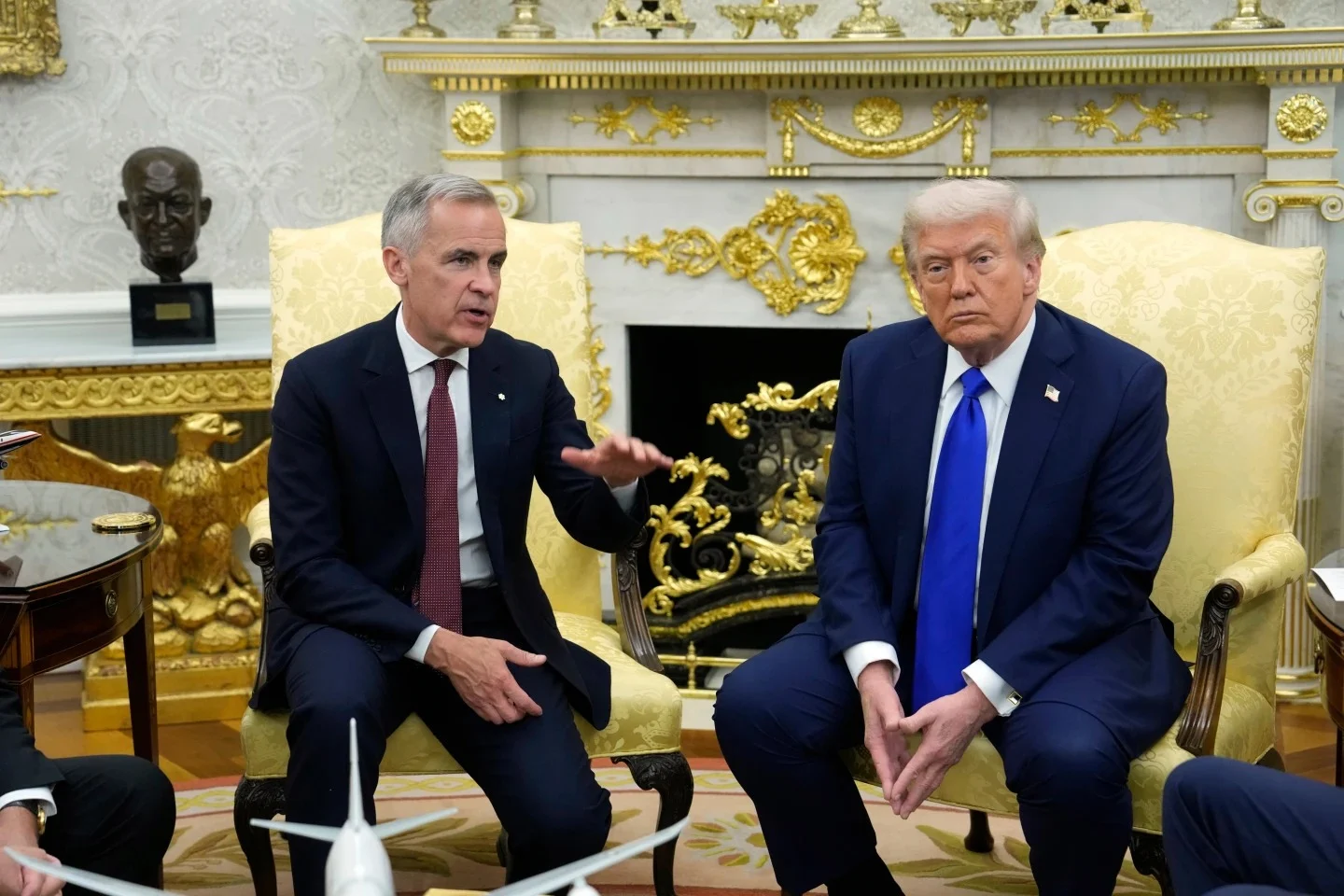
The United States implemented 50% tariffs on $20 billion worth of Canadian goods early Saturday, prompting Canada to announce a retaliatory response set to begin on September 8. This escalation follows the breakdown of last-ditch negotiations intended to resolve growing tensions between the two long-standing allies.
President Donald Trump’s new import taxes affect approximately 5% of annual Canadian exports to the U.S., impacting a wide range of items from hockey sticks to medical equipment like tongue depressors. Canadian Prime Minister Mark Carney confirmed that Ottawa is preparing a dollar-for-dollar response, with specific details on the measures to be released in the coming days. These tariffs will take effect on the Tuesday following Labor Day and are expected to target sectors including steel, dairy, appliances, agricultural equipment, pulp, paper, and electronics.
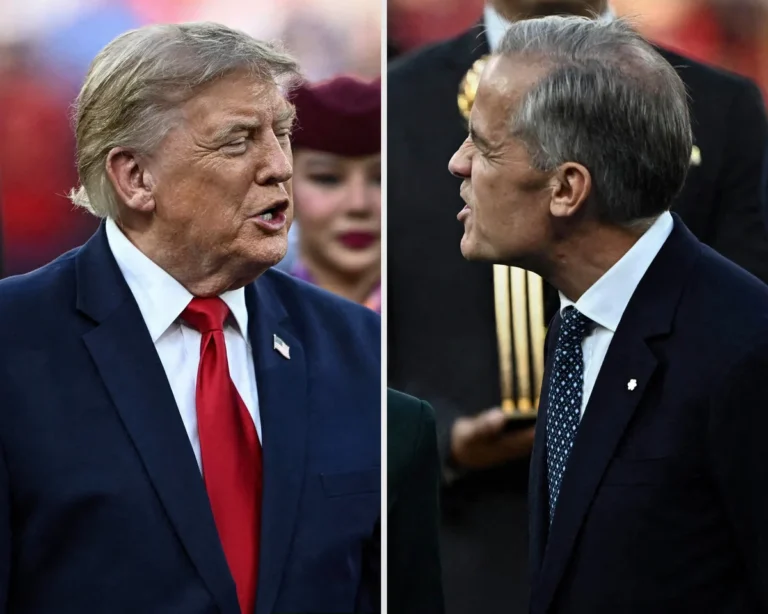
The collapse of talks represents a significant shift, as officials from both sides had appeared close to a compromise just two days prior. Carney stated that Canada had been prepared to drop existing retaliatory tariffs on autos, steel, and aluminum if the U.S. provided substantial relief and if provinces were encouraged to restore American alcohol sales. However, he characterized the final U.S. demands as excessive, stating, “They asked too much and offered too little.” According to the Prime Minister, the U.S. introduced last-minute terms that would have restricted Canada’s ability to negotiate independent trade deals, weakened cultural and sovereignty protections, and reduced tariff relief for vehicles, all of which Ottawa deemed unacceptable.
Jamieson Greer, the top U.S. trade negotiator, defended the administration’s position during an appearance on “Fox & Friends Weekend.” He argued that the U.S. had offered to reduce tariffs on sensitive items like lumber, autos, and steel, but that Canada was unwilling to accept the deal. Greer stated, “We’re moving forward with measures that respond to Canadian retaliation,” emphasizing that the administration’s goal is to protect American supply chains and workers.
This trade dispute casts uncertainty over the future of the North American trade agreement, a critical framework for the economies of the U.S., Canada, and Mexico. The two nations traded $880 billion in goods and services last year, and the political fallout may prove as significant as the economic impact. Ontario Premier Doug Ford has expressed his full support for the Prime Minister’s retaliatory stance, advocating for a “tariff for tariff, dollar for dollar” approach.
The current friction marks a stark departure from the traditionally cooperative relationship between the two neighbors, who share a 5,525-mile undefended border. Trump has utilized Section 338 of the Tariff Act of 1930—a provision dating back to the Great Depression that had never been previously invoked for tariffs—to justify the 50% levies. This move follows a broader trend of the administration using aggressive trade penalties to prioritize domestic manufacturing, despite a February Supreme Court ruling that suggested the President had previously overstepped his authority in similar trade actions.
Public frustration is mounting on both sides of the border. In Canada, a petition calling for the expulsion of U.S. Ambassador Pete Hoekstra has garnered nearly 248,000 signatures since late July, citing concerns over the normalization of rhetoric regarding the potential annexation of Canada. Meanwhile, business leaders like Candace Laing, president and CEO of the Canadian Chamber of Commerce, have warned that the tariffs represent a “body blow to North American competitiveness” that will likely increase costs for American consumers and threaten small businesses.
As both nations navigate this impasse, analysts suggest that finding a resolution may become increasingly difficult. Ryan Majerus, a former U.S. trade official, noted that while both sides face immense pressure to find an “off-ramp,” the implementation of retaliatory measures by Canada could complicate future diplomatic efforts. Carney acknowledged the shift in the bilateral dynamic, stating that Canada recognizes “America has changed” and that the two countries will “not return to our old relationship.” The report also notes that 8 after last-ditch negotiations failed to resolve the latest strain in relations between the historic allies. The report also notes that and they still would have an even better deal, but they didn’t want that,” he told “Fox & Friends Weekend, and they’ve always had the best deal. The report also notes that trade representative, said that after a year of retaliation by its longtime ally, “We’ve said enough, and so we’ve taken countermeasures. The report also notes that duties, including some steel products. The report also notes that a typically cooperative alliance goes sour. The report also notes that the tariffs were initially supposed to kick in at 12:01 a.m.





Comments