
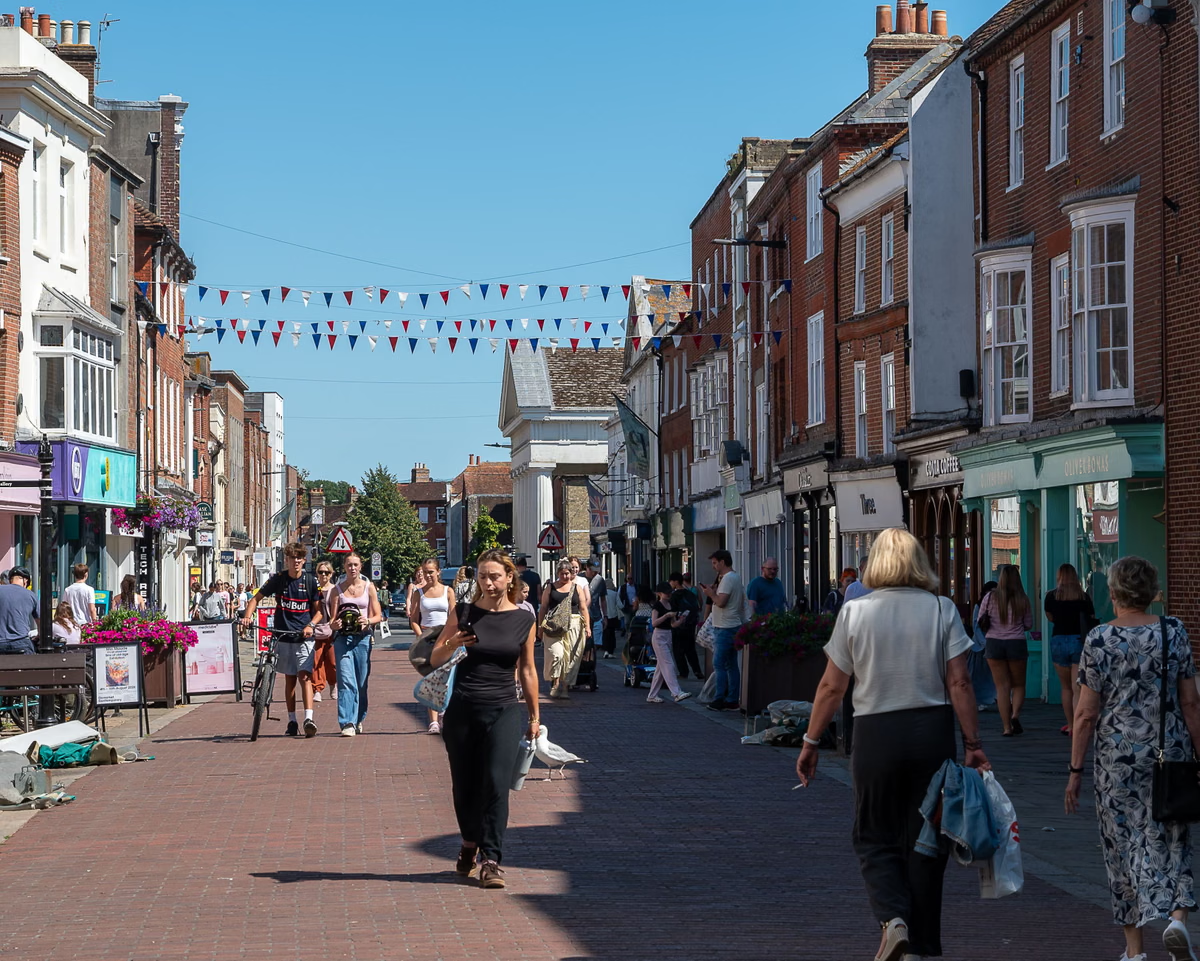
Retail activity across Great Britain experienced a decline last month, with the Office for National Statistics (ONS) reporting a 0.5% drop in the volume of goods sold both in-store and online during July. This downturn follows a 0.7% increase in June—a figure revised downward from initial estimates of 1%—and a 1.3% rise recorded in May.
Non-food retailers faced the most significant challenges, seeing a 1.3% decline in sales. This slump was largely driven by a reduction in clothing purchases, as many retailers had already moved their seasonal discount periods into June. Additionally, the extreme heat during July encouraged many consumers to stay home rather than visit the high street, while department stores struggled with limited stock availability and reports of longer delivery times. Furniture sales also faltered as households deferred home improvement projects during the record temperatures.
Despite the broader retail decline, food and drink sales provided a rare positive note, bolstered by the combination of sunny weather and excitement surrounding the men’s football World Cup. However, industry experts noted that retail gains were capped because many consumers chose to watch matches in pubs and sports bars rather than at home. These hospitality venues, which are excluded from official retail statistics, saw a significant surge in activity. The British Beer & Pub Association reported that England’s progress to the semi-finals, supported by extended opening hours, led to an additional 30 million pints being poured, generating £150 million in extra sales for its members.
Jacqui Baker, head of retail at consultancy RSM UK, noted that the retail sector was not a beneficiary of the World Cup, as consumers prioritized summer getaways and hospitality experiences. She added that while shoppers did spend on fans and barbecue supplies to cope with the heat, many actively avoided the high street to escape the soaring temperatures.
Sandra Prince, head of consumer at Lloyds, suggested that the hot weather likely shifted footfall toward retail parks or online platforms. As the summer peak begins to subside, retailers are now shifting their focus toward autumn strategies to maintain consumer engagement. The report also notes that falling 1.3%, on the back of a drop in clothes shopping, after retailers brought forward cut-price sales into June while heatwaves in July resulted in more people staying home tha, non-food stores took the biggest tumble.




Comments