
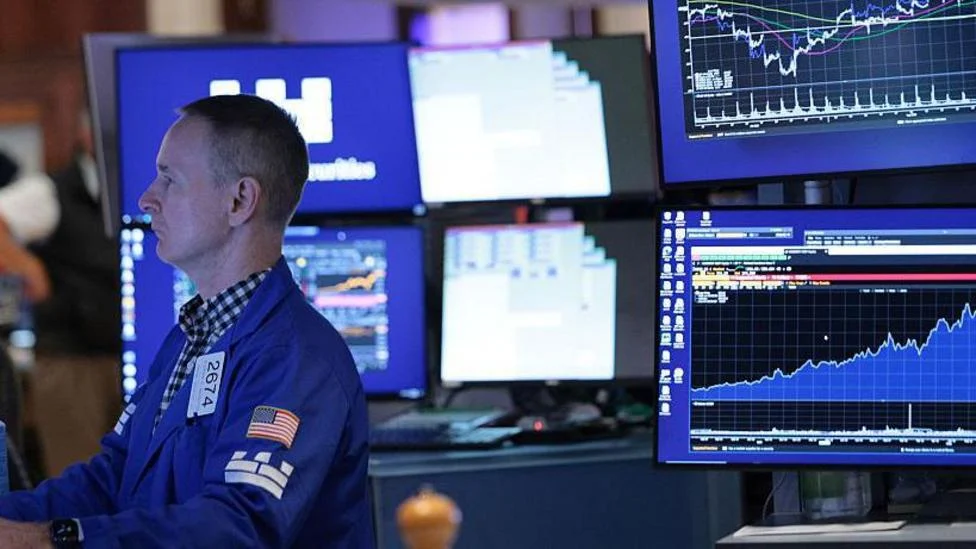
Long-term borrowing costs in the United States have climbed once more, undermining recent government efforts to stabilize the market. Earlier this week, the Treasury Department announced a plan to repurchase debt, aiming to lower the interest rates—or yields—demanded by investors on global bond markets. These markets are critical for both governments and major corporations seeking to raise capital.
While the intervention initially caused 30-year bond yields to drop from an almost two-decade high of 5.34% to 5.18%, the relief was temporary. By Friday, those rates had climbed back to approximately 5.27%. Such fluctuations in bond yields are significant, as they can directly influence the cost of consumer loans, including mortgages and car financing.
The Treasury’s strategy, led by Treasury Secretary Scott Bessent, was intended to boost demand for government debt. However, analysts suggest the impact has been largely symbolic. Economists at Capital Economics noted that while the move served as a signaling mechanism to show the Treasury is prepared to act when yields reach certain levels, it has not proven effective in the long term, with most of the initial gains already reversed.
Market experts point to broader, more persistent pressures. John Canavan, lead analyst at Oxford Economics, described the market’s response as “unsurprisingly short-lived.” He noted that traders remain focused on the “daunting” scale of global borrowing by governments and corporations, alongside rising oil prices.
The broader economic environment remains challenging as the national debt has surpassed $40 trillion. Addressing the current fiscal landscape, Secretary Bessent attributed the situation to the previous administration, telling US media on Thursday: “We did not get here in a day, we were left with a mess.”
Governments and corporations typically issue bonds as IOUs to fund operations, promising to pay interest to investors. When inflation expectations are high, investors demand higher yields, which complicates borrowing. The Treasury Department has been contacted for further comment regarding the latest market reaction. The report also notes that long-term borrowing costs in the US rose again despite an announcement from the government that it would intervene to try to lower them. The report also notes that they have since risen again, while rates – or yields as they are called – eased on borrowing over 30 years following the intervention.








Comments